
French music has produced legends whose careers defined their eras. Claude François and Dalida, two icons, have endured through their unforgettable melodies. Their paths, though different, captivated audiences with a singular blend of success and drama.
Their songs, heartfelt stories in their own right, still resonate today. Claude François dominated the airwaves with his irresistible hits. Dalida conquered the world with her powerful voice. Their distinct styles captured the spirit of their time.
Music was more than a passion for them. It helped them rise above hardship. Today, modern technologies such as holograms make it possible to revisit their legendary performances. This article explores their legacy through historical archives and contemporary innovations.
Introduction and historical context
The 1960s and 1970s marked a turning point for French music. Artists such as Claude François and Dalida emerged during this period, captivating audiences with their distinctive talents.
At the time, television played a central role in bringing performances to wider audiences. Shows such as l’Olympia and music halls gave artists a broader stage. That exposure launched their careers and laid the foundations for a new musical era.
Yet behind their success, personal and professional challenges shaped their lives. The shadows of fame, including media pressure and public expectations, sometimes dimmed their artistic brilliance.
| Year | Event | Impact |
|---|---|---|
| 1960 | Beginning of the golden age of French music | Emergence of new stars |
| 1970 | Expansion of television programming | Greater visibility for artists |
| 1975 | Claude François and Dalida reach iconic status | Their standing as legends grows |
Those years shaped their careers and influenced the evolution of live performance. The combination of music and stage design produced unforgettable shows.
Claude François: biography and musical journey
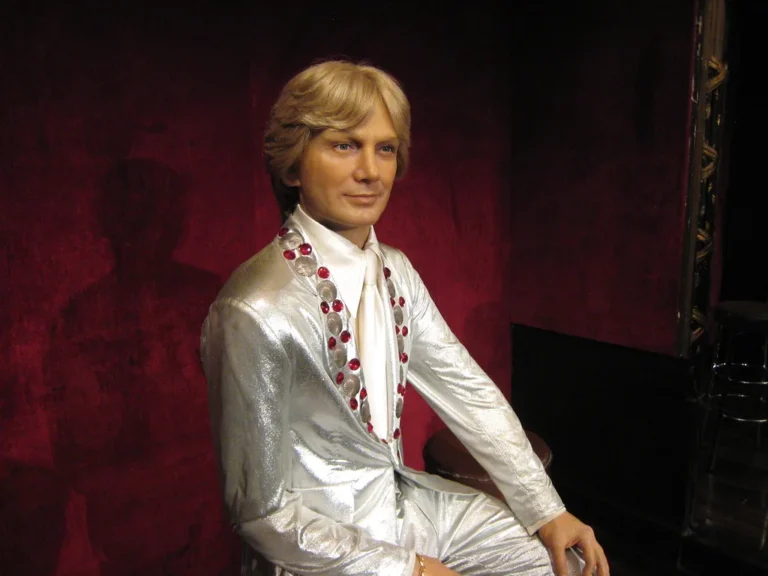
Claude François, a defining figure in French popular song, developed an interest in music at an early age. Born in 1939, he was influenced by artists such as Elvis Presley. His early stage appearances were marked by infectious energy and a striking voice.
Childhood and promising beginnings
From a modest family, he found an escape in music. As a teenager, he formed his first group, The Clodeclats, and performed rock ‘n’ roll standards. These early performances laid the groundwork for his career and led to his first recordings in the 1960s.
The golden years and landmark hits
For him, the 1960s and 1970s brought enduring hits such as “Comme d’habitude” and “Belles, belles, belles”. Each new album strengthened his star status through impressive sales and sold-out concerts. His style, blending rock with French popular music, captivated audiences.
His hits dominated the charts and reshaped the music scene. Each album reflected changing musical tastes, incorporating modern rhythms while remaining true to his rock roots.
- Comme d’habitude (1967)
- Belles, belles, belles (1968)
- Si j’avais un marteau (1968)
- Marche tout droit (1969)
These hits defined his career and influenced a generation of artists. To learn more about music biopics, see this resource.
Dalida’s artistic journey
Dalida, a major figure in French popular song, followed a path filled with challenges and triumphs. Her story combines light and shadow, reflecting both her artistic brilliance and the hardships she overcame.
First steps toward fame
Dalida began her career in the 1950s and quickly captivated audiences with her powerful voice and stage charisma. Bold early performances established her reputation as a daring and innovative artist.
Her first hits, including “Bambino“, topped the charts and established her as a rising star. Each song told a story, touched her listeners, and strengthened her place in music.
The rise of an icon between shadow and light
Despite her resounding success, Dalida experienced dark periods. The pressures of fame and public expectations sometimes threatened to dull her sparkle. Yet she found ways to recover, turning each hardship into an opportunity to grow as an artist.
Her hits, such as “Paroles, paroles” and “Le temps des fleurs“, still resonate today and testify to her remarkable talent. Every song she performed invited listeners to explore deep emotions and forged a lasting connection with her audience.
Dalida left her mark on French music and influenced international entertainment. Her performances, often accompanied by innovative visual effects, redefined expectations for live shows. Today, technologies such as holograms make it possible to revisit her legendary concerts and carry on her artistic legacy.
Claude François and Dalida: a musical story of shadow and light
The journeys of these two icons of French popular song show a striking contrast between resounding success and personal hardship. Their records, lasting evidence of their talent, captivated a wide range of listeners.
Claude François’s albums, such as Comme d’habitude and Belles, belles, belles, made music history. Each record told a story and touched millions of listeners. Dalida, meanwhile, won audiences over with hits such as Gigi l’Amoroso and Paroles, paroles, thanks to her powerful voice and intense performances.
Audiences embraced these landmark records. Claude François’s concerts were major events, while Dalida charmed audiences with innovative stage design. To learn more about these landmark records, explore this resource.
- Their musical legacy continues to inspire new generations.
- The challenges they overcame influenced the evolution of live performance.
Their careers included moments of glory as well as setbacks. Their impact on the French music scene is undeniable. To explore Claude François’s musical legacy further, read this detailed analysis.
The hits and successes that defined their careers
The careers of these two legends were shaped by hits that still resonate in popular culture. Claude François captivated audiences with songs such as “Comme d’habitude“, covered more than 100 times, notably by Frank Sinatra in his famous version, “My Way“. Dalida, meanwhile, topped the charts with songs such as “Bambino” and “Paroles, paroles“, selling more than 170 million records worldwide.
Tours played a key role in their success. Claude François pioneered the use of lighting effects, influencing stage production in France. Dalida won audiences over with theatrical performances and innovative visual effects. Their concerts, often major events, carried their music across borders and reinforced their status as icons.
Their musical legacy continues to inspire. To learn more about Dalida’s legendary tours, see this resource. Their achievements over the years secured their place in the history of French music.
Analysis of musical styles and innovations
Exploring music archives reveals the richness of these artists’ stylistic development. These often overlooked historical documents shed light on how their artistry changed over the years.
Original versions of their hits, such as Claude François’s “Comme d’habitude“, have an authenticity that sets them apart from modern adaptations. Those reinterpretations bring a contemporary freshness and attract new listeners while remaining true to the spirit of the original works.
Highlights of their performances shaped their stage styles. For example, Claude François’s innovative lighting effects redefined live entertainment in France. Dalida captivated audiences with theatrical performances and bold visual effects.
Music archives play a crucial role in rediscovering classics. They let new generations encounter landmark works and help keep those works present in today’s musical landscape.
Stage innovations, including the use of holograms in recent shows, demonstrate how technological advances sustain the legacy of these legends. Modern productions heighten the emotional impact of performances and offer audiences an immersive experience.
Their impact on the French music scene
The names of these two icons remain etched in French music history. Their influence on contemporary groups and musicians is undeniable. Their songs and performances continue to inspire new generations.
Their collaborations with other artists encouraged a group spirit within the music industry. This dynamic enriched their work and paved the way for further collaborations. Today, French musicians often cite them as essential influences.
Their musical legacy remains a source of inspiration. Today’s groups revisit their classics with a modern sound, keeping their memory alive. Musicians continue to draw on their repertoire to create new works.
Archives and highlights of their performances
Music archives offer a unique view of these two icons’ legendary performances. Every performance preserved over time bears witness to their remarkable talent.
Rediscovering the classics
Time has played a key role in the longevity of their repertoire. Thanks to their authenticity, their songs still resonate with the same intensity today.
Some releases reshaped their images and strengthened their status as icons. Selected music excerpts and videos highlight their artistic excellence.
| Song | Year | Impact |
|---|---|---|
| Comme d’habitude | 1967 | A lasting mark on French music |
| Bambino | 1956 | Dalida’s breakthrough |
| Belles, belles, belles | 1968 | A resounding success |
Revisiting these archives helps explain their lasting impact. To learn more about their legacy, see this resource.

Their musical legacy and influence on popular culture
The musical legacy of these two icons still resonates today, influencing a new generation of singers, songwriters, and producers. Their work left its mark on French music history and helped shape popular culture.
As singers, they captivated audiences with powerful voices and intense interpretations. Their work as songwriters enabled them to create songs that endure. As producers, they innovated in the studio and redefined standards of music production.
Their creations continue to inspire contemporary artists. Many singers today cite them as essential influences. Their influence is also heard in modern collaborations that give their classics new life.
Their impact on media and entertainment is undeniable. From television programmes to legendary concerts, their presence marked entertainment history. To learn more about their legacy, see this resource.
- Their musical legacy continues to inspire.
- Their collaborations opened doors for new generations.
- Their mark on entertainment history is indelible.
Collaborations and legends of French popular song
The collaboration between Claude François and Dalida on “Paroles, paroles” in 1973 remains one of the most memorable moments in French music history. Though their duet was a one-off, it symbolizes the collaborative spirit that made French musicals legendary.
Behind the spotlight, their lives were very different from their public images. Stories from the entertainment world reveal strong personalities and a shared passion for their art. Their onstage performances, combining theatricality and authenticity, captivated audiences and reinforced their iconic status.
The moment they left the stage, marking the end of a chapter, shaped their careers. Each performance invited audiences to explore deep emotions and created an enduring bond with them. These collaborations shaped their success and redefined the conventions of live entertainment.
Today, their musical legacy continues to inspire new generations. Collaborations between artists, such as the one between Claude François and Dalida, opened the way to new forms of artistic expression and sustained their influence on French popular song.
Reflections on the evolution of live shows and stage design
Live entertainment has undergone a remarkable transformation over the decades. Each era has brought its own style and shaped the art of performance. Lighting, in particular, has become essential to creating immersive atmospheres.
Over the years, productions have moved from minimalist sets to sophisticated stage designs. Musicals such as Dracula and Spartacus used spectacular visual effects and redefined expectations for live shows.
Some productions, despite their ambitions, failed to win over audiences. Their closure can often be explained by a mismatch between the artistic concept and audience expectations. At times, overly complex or minimalist staging failed to establish an emotional connection.
Technical innovations such as holograms now offer new experiences. These advances make it possible to reinvent classics and appeal to longtime fans and new generations alike. Special effects have transformed the landscape of live entertainment, bringing tradition and modernity together.
In conclusion, the evolution of live shows and stage design reflects a constant search for innovation. Lighting and stage design remain central to audiences’ emotions and experiences. These essential elements help keep live performance a vibrant art form.
The shadow and light behind success: a critical analysis
Behind these icons’ rapid success lies a story marked by personal and professional challenges. The public’s love was often a double-edged sword, bringing both admiration and pressure.
Each day and each month of their journeys brought defining moments. Their resounding successes were sometimes darkened by hardship, revealing a contrast between shadow and light.
The contrast between their public images and private lives is striking. While audiences saw the light of their talent, difficulties often cast shadows over their personal lives.
Despite these obstacles, their fame endured. Their love of their art and their resilience were key, allowing them to turn each hardship into a chance to grow.
Over the months and years, they showed their ability to change. Each setback became a step toward greater success, illustrating their determination to shine despite adversity.
Stories and life behind the scenes
Behind the spotlight, the entertainment world holds fascinating stories. Behind-the-scenes accounts of shows such as Dracula and Hit Parade are full of little-known anecdotes that reveal what happened out of view.
At the end of December 1973, one memorable evening marked a turning point. Under the pressure of rehearsals, the performers went through intense moments. Difficult as they were, these experiences helped forge their legend.
Later, accounts from technicians and dancers brought surprising details to light. During one concert, for example, a technical failure nearly stopped everything. Improvisation saved the evening, revealing remarkable resilience.
The artistic world has changed over the years. Today’s backstage environment is very different from that of the past. Technological innovations have transformed shows and offer new immersive experiences.
These little-known anecdotes feed the collective imagination. They show that behind every success lie challenges overcome with passion and determination. The entertainment world, with its shadows and light, remains an endless source of inspiration.
The role of emotion and stage design in their performances
Emotion and stage design were central to the performances of these two icons, offering audiences an immersive experience. Each show relied on carefully planned staging, with lighting, sets, and special effects working together to heighten the songs’ emotional impact.
Using holograms and special effects
Today, technological advances make it possible to recreate their legendary performances. Holograms offer an innovative way to revisit their concerts through spectacular visual effects. These modern technologies transport audiences into a cinematic world where the line between film and live performance blurs.
| Element | Impact | Technology |
|---|---|---|
| Emotion | Enhances the audience experience | Holograms |
| Stage design | Creates an immersive atmosphere | Lighting effects |
| Sung words | Deepens the emotional connection | Spatial audio |
Audiences enter a world where sung words take on a new dimension. Enhanced by these innovations, performances offer an unforgettable experience and reflect the evolution of live entertainment.
The impact of musicals on their image
Musicals played a key role in shaping the two artists’ public images, defining their stage identities and reinforcing their iconic status.
Through shows such as Dracula and Spartacus, they incorporated visual effects and elaborate staging. These productions marked their eras and influenced the development of the performing arts.
Some musicals, though spectacular, encountered difficulties. For example, overly elaborate staging sometimes failed to create an emotional connection with audiences. These experiences nevertheless encouraged innovation and pushed the boundaries of live entertainment.
| Show | Era | Impact |
|---|---|---|
| Dracula | 1970s | Introduction of special effects |
| Spartacus | 1980s | Use of immersive stage design |
These pivotal moments reshaped their images and laid foundations for modern shows. Today, these innovations continue to inspire new generations and sustain their artistic legacy.
Conclusion
Although marked by challenges, the careers of these two icons left an indelible mark on the French musical world. Their journeys, from modest beginnings to stardom, reflect a contrast between shadow and light.
Their artistic legacy lives on in the hearts of new generations. Despite criticism, their dance with success speaks to their resilience. Every note and performance invites us to celebrate their finest moments.
Faced with the challenges of show business, they turned each hardship into a chance to move forward. Their legend endures and invites us to rediscover their journeys from a modern perspective: a dance between past and present in which their artistic home still shines.
FAQ
Why are Claude François and Dalida important in French music history?
What are Claude François’s biggest hits?
How did Dalida influence French music?
What made Claude François unique as an artist?
How did Dalida evolve over the years?
What is Claude François and Dalida’s musical legacy today?
Where can I find archives of their performances?
What was the relationship between Claude François and Dalida?
How has their music influenced today’s artists?
Which Claude François and Dalida albums are best to listen to?
How did they contribute to the evolution of live performance?
What are some lesser-known songs by Claude François and Dalida?
Source links
- https://en.wikipedia.org/wiki/Dalida
- https://en.wikipedia.org/wiki/Claude_Fran%C3%A7ois
- https://en.wikipedia.org/wiki/Dalida
- https://en.wikipedia.org/wiki/Claude_Fran%C3%A7ois
- https://en.wikipedia.org/wiki/Dalida
- https://en.wikipedia.org/wiki/Claude_Fran%C3%A7ois
- https://en.wikipedia.org/wiki/Dalida
- https://en.wikipedia.org/wiki/Claude_Fran%C3%A7ois
- https://en.wikipedia.org/wiki/Dalida
- https://en.wikipedia.org/wiki/Claude_Fran%C3%A7ois
- https://en.wikipedia.org/wiki/Dalida
- https://en.wikipedia.org/wiki/Claude_Fran%C3%A7ois
- https://en.wikipedia.org/wiki/Dalida
- https://en.wikipedia.org/wiki/Claude_Fran%C3%A7ois
- https://en.wikipedia.org/wiki/Dalida
- https://en.wikipedia.org/wiki/Claude_Fran%C3%A7ois
- https://en.wikipedia.org/wiki/Dalida
- https://en.wikipedia.org/wiki/Claude_Fran%C3%A7ois
- https://en.wikipedia.org/wiki/Dalida
- https://en.wikipedia.org/wiki/Claude_Fran%C3%A7ois
- https://en.wikipedia.org/wiki/Dalida
- https://en.wikipedia.org/wiki/Claude_Fran%C3%A7ois
- https://en.wikipedia.org/wiki/Dalida
- https://en.wikipedia.org/wiki/Claude_Fran%C3%A7ois
- https://en.wikipedia.org/wiki/Dalida
- https://en.wikipedia.org/wiki/Claude_Fran%C3%A7ois
- https://en.wikipedia.org/wiki/Dalida
- https://en.wikipedia.org/wiki/Claude_Fran%C3%A7ois
- https://en.wikipedia.org/wiki/Dalida
- https://en.wikipedia.org/wiki/Claude_Fran%C3%A7ois
- https://en.wikipedia.org/wiki/Dalida
- https://en.wikipedia.org/wiki/Claude_Fran%C3%A7ois
- https://en.wikipedia.org/wiki/Dalida
- https://en.wikipedia.org/wiki/Claude_Fran%C3%A7ois
- https://en.wikipedia.org/wiki/Dalida
- https://en.wikipedia.org/wiki/Claude_Fran%C3%A7ois