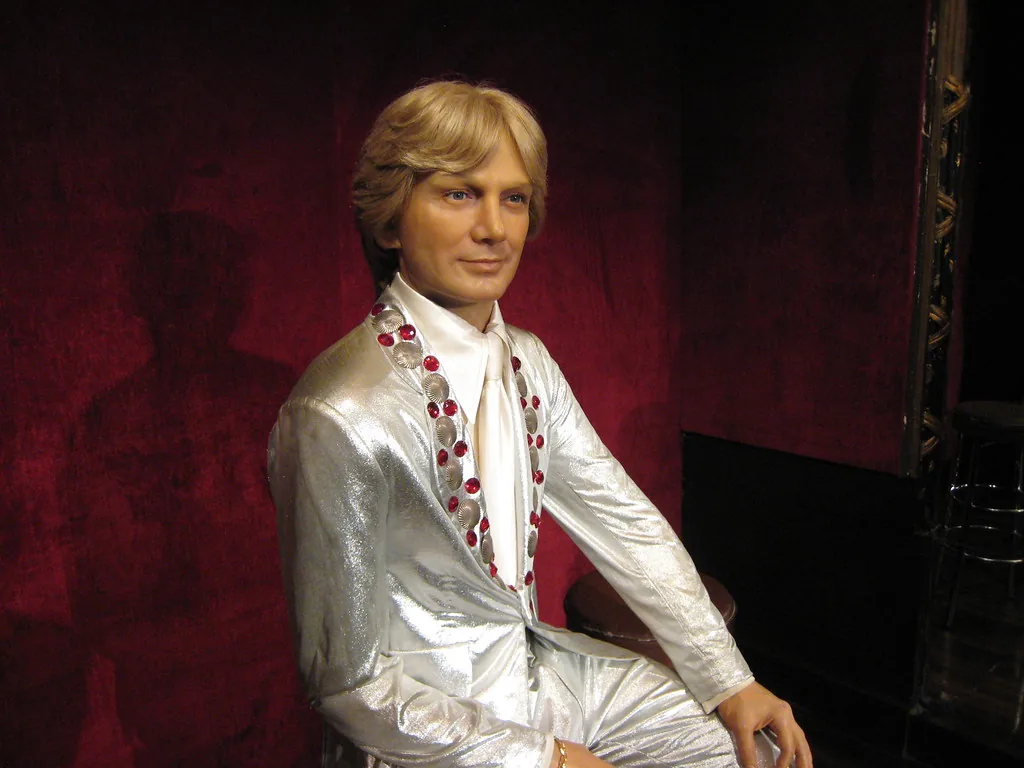

Claude François, an icon of French music, was far more than a star. Behind his image as a charismatic singer stood a strategist behind the scenes who left his mark on the history of music production.
Unlike his singing career, his role as a producer often remains in the shadows. Yet his influence on French musical culture is immense and lasting. He managed his singing career alongside his work as a producer, creating a unique synergy.
The contrast between his life as a star and his discreet work behind the scenes makes him a fascinating figure. In this article, we explore the keys to his success, his impact on the music industry and what makes him a genius behind the scenes.
Introduction to Claude François
Claude François, an essential name in French popular song, combined an artist’s charisma with the vision of a cultural strategist. His life, marked by a rapid rise to fame, reflected an unwavering passion for music and innovation.
Born on February 1, 1939, in Ismailia, Egypt, he grew up in a family environment shaped by music. Although his family was removed from artistic circles, they encouraged his first musical experiments. This personal story strengthened his determination to find a place in the world of song.
| Key events | Year | Impact |
|---|---|---|
| First success with “Le Téléphone Pleure” | 1962 | National recognition and the start of his rapid rise |
| Founding of the Flèche label | 1967 | A lasting mark on French music production |
| Creation of the Clodettes | 1969 | Innovation in stage performances |
Although his career brought challenges, it remains an example of perseverance and innovation. His influence on the history of French music is undeniable, as is the impact of his work on society.
“Music is a force that brings people together, and that is what I have always tried to achieve.”
Through his achievements, Claude François reminds us that success comes from hard work and a clear vision. His story, both personal and professional, continues to inspire generations of artists and music lovers.
Biography and artistic career
Claude François’s life brought together cultural influences and a passion for music. Born on February 1, 1939, in Ismailia, Egypt, he grew up in a family environment shaped by music and cultural challenges. This unsettled youth strengthened his determination to find a place in the arts.
Childhood and origins
His youth was marked by his family’s expulsion from Egypt, forcing him to rebuild his life in France. In his book, Fabien Lecoeuvre describes this period as crucial to his artistic development. Although Claude’s family was removed from artistic circles, they supported his first musical experiments, laying the foundations for his career.
Fabien Lecoeuvre’s account highlights the social and cultural challenges of his childhood. These experiences influenced his musical outlook and his approach to production.
First musical successes
His beginnings in music marked the start of a rapid rise. His first success with “Le Téléphone Pleure” in 1962 propelled his career. The hit launched him as an artist and laid the foundations for his role as a producer.
Claude François’s early recordings were important milestones. His innovative approach to music production began to stand out. These successes established his reputation as a talented artist and laid the foundations for his influence on French music.
His beginnings and rise in music
Claude François’s musical career began with a rapid rise. His first hit, “Le Téléphone Pleure,” in 1962, marked the start of his ascent in the world of French popular song.
His early recordings, including “Belles ! Belles ! Belles !,” won over audiences and dominated the airwaves. With their lively rhythms and catchy melodies, these songs laid the foundations for his success.
The importance of his artistic choices is clear. By incorporating elements of American music while retaining a French identity, he redefined the conventions of French popular song. This approach strengthened his career and influenced the development of French musical styles.
| Signature songs | Year | Impact |
|---|---|---|
| Belles ! Belles ! Belles ! | 1962 | National recognition |
| Le Téléphone Pleure | 1962 | Launch of his career |
| Je veux être eurovision | 1963 | Growing popularity |
His early years marked a turning point in the history of French music. Within a few years, he became a major figure, changing the musical landscape through his innovative work and energy on stage.
Claude François and his role as a producer: a genius behind the scenes?
Behind the scenes, Claude François built a producing career marked by exceptional discipline and innovation. Although less visible than his career as a performer, his work had a profound influence on French music production.
The philosopher Philippe Chevallier repeatedly emphasizes the importance of this dual role. In his view, Claude François was a rare figure: both artist and strategist, able to combine creativity with management. This duality lies at the heart of his success.

Philippe Chevallier describes this approach as a revolution in music. By adopting innovative production methods, Claude François transformed his own work and redefined industry standards. His approach, inspired by philosophers such as Gilles Deleuze, emphasized artistic freedom and collaboration.
These analyses show why Philippe Chevallier sees Claude François as a visionary. His influence on French music extends beyond his role as a producer and reaches an entire generation of artists and producers. To learn more about the impact of these practices, explore how work behind the scenes has evolved in music production.
The impact of his production techniques on French music
Claude François’s innovative production techniques marked a decisive turning point in the history of French music. By introducing rigorous, systematic methods, he redefined production standards and influenced a generation of musicians and producers.
Studio innovation
In the studio, he introduced techniques that were revolutionary for their time. Multitrack systems, new audio effects and syncopated rhythms transformed recordings. Although complex, these innovations made it possible to create a distinctive, modern sound.
Production methods and practices
His methods, inspired by systematic approaches, emphasized precision and experimentation. He favored close collaboration with musicians, encouraging creativity while maintaining technical discipline. These practices improved production quality and established new industry standards.
| Innovation | Technique | Impact |
|---|---|---|
| Multitrack systems | Recording instruments separately | Greater control over sound and more flexibility |
| Audio effects | Using reverb and delay | Greater depth and sense of space |
| Syncopated rhythms | Incorporating breaks and changing beats | Energy and a modern feel |
These advances influenced French music and inspired producers internationally. His systematic approach laid the foundations for a new era in music production.
Stage innovations and the introduction of the Clodettes
Claude François’s stage performances marked a turning point in live entertainment. His inventive approach changed the presentation of concerts and reshaped audience expectations.
The emergence of the stage show
The development of his stage shows was a key moment in his career. By introducing elaborate staging, he turned concerts into full-scale shows. This innovation reinforced his image as a charismatic performer and raised the standard of live performances.
The introduction of the Clodettes, a group of dancers performing coordinated routines, added a distinctive dimension to his concerts. Their choreography, perfectly synchronized with the music, created an immersive experience for audiences.
Tours and television programs played a crucial role in his career. His television appearances, especially on popular shows, brought his image and innovations to a wider audience. These media strengthened his reputation and influenced the development of live entertainment.
These stage innovations had a lasting impact on the entertainment industry. By combining elements of theater and dance, he raised the concert to a new artistic level. His approach inspired generations of performers and producers and redefined standards for stage shows.
His influence on popular song
French popular song bears the deep imprint of Claude François’s work. Hits such as “Comme d’habitude” have endured for decades and continue to resonate with new generations. This lasting appeal attests to the enduring impact of his songs on musical culture.
The origins of popular song in France lie in folk traditions, but the genre truly flourished in the 1960s. Claude François helped define this new era with his captivating melodies and striking lyrics. His work as a composer and adapter turned international classics into hits for French audiences.
International versions of his songs, such as “My Way,” based on “Comme d’habitude,” achieved worldwide success. These adaptations enhanced his reputation and opened the world stage to French popular song. His rich and varied repertoire spread around the world and reached many different audiences.
As a composer and performer, he knew how to combine tradition with modernity. His songs, often covered by other artists, crossed linguistic and cultural boundaries. The worldwide reach of his work cemented his status as an icon of French and international music.
A critical look at his media reception
Claude François’s reception in the media reveals a fascinating contrast between his public image and critical opinion. While television played a key role in his popularity, intellectual critics often offered a more nuanced view.
Television programs broadcast his performances and helped shape his image as a charismatic artist. Press critics, however, sometimes pointed to the distance between his popular success and intellectual circles. This contrast reflected a society seeking entertainment while trying to define itself culturally.
Analysts note that his image changed over the years, from that of a popular entertainer to a more complex figure. To learn more about this change, you can read the study of how information is received.
“Television was a mirror of society, reflecting both enthusiasm for Claude François and reservations about him.”
This divided media response highlights the social issues surrounding his personality and work. It also shows how the media helped construct his image.
Comparisons with the international music scene
Claude François’s career has similarities with those of certain American music icons. Like Elvis Presley or Michael Jackson, he combined exceptional stage charisma with a clear artistic vision.
The influence of Motown and American soul
The influence of Motown and American soul on his work is undeniable. Syncopated rhythms and soul melodies, popularized by artists such as Stevie Wonder, inspired several of his hits.
| Element | France | United States |
|---|---|---|
| Multitrack systems | Later adoption | Early use |
| Audio effects | Limited experimentation | Systematic integration |
| Syncopated rhythms | Gradual integration | A defining feature of the genre |
These influences enriched his music and shaped his distinctive style, connecting it to a broader musical tradition.
His tours and how they were organized
Claude François’s tours marked a turning point in the history of concerts in France. His innovative, carefully organized approach reinforced his image as a dynamic performer and redefined standards for stage shows.
Logistical innovations
Organizing his tours was a remarkable logistical feat. With a team of 15 people handling the planning, every concert was carefully prepared. Tours covered an average of 30 cities and drew around 10,000 spectators per concert. This efficient organization maintained a consistent standard of quality and strengthened his standing as a major performer.
The impact on audiences and concerts
The audience experience was central to his concerts. Spectators appreciated the musical quality and careful staging. Tickets, sold for an average of about 25 euros, generated total revenue of 250,000 euros per tour. This financial success reflected public enthusiasm for his shows.
Radio played a key role in promoting his tours. Music programs regularly aired his songs, building interest in his concerts. This media strategy helped attract a diverse audience and consolidate his popularity.
| Innovations | Description | Impact |
|---|---|---|
| Dedicated team | 15 people handling planning | Better organization and coordination |
| Geographic reach | 30 cities per tour | Greater access for audiences |
| Revenue per tour | 250,000 euros | Financial success and a stronger reputation |
These logistical innovations and the audience response helped make Claude François a legendary performer. His well-organized tours offered unforgettable experiences and strengthened his reputation as a pioneer in the music industry.
Artistic collaborations and partnerships
Artistic collaborations played a central role in extending Claude François’s influence. Working with other artists and industry professionals enriched his discography and increased his visibility.
His notable collaborations included partnerships with prestigious names in French popular song. These associations produced memorable works while encouraging artistic innovation. The development of these collaborations was often driven by shared creativity.
The interplay of collaboration also appeared in his other projects. The magazine Podium, for example, provided a platform for exploring new ideas and artistic approaches. These initiatives diversified his work and attracted new audiences.
| Collaboration | Impact | Result |
|---|---|---|
| Partnerships with artists | Encouraged innovation | Creation of memorable hits |
| Podium magazine project | More varied content | Greater visibility |
| Musical collaborations | Stronger reputation | Consolidation of his status |
These collaborations contributed to his success and reshaped his public image. To learn more about his influence, you can read this study or visit his official website.
The role of image and style in his career
Image and style played a central role in building the legend of Claude François. Every photograph and every staged appearance helped forge a distinctive visual identity that left its mark on the history of French popular song.
Portraits and symbolism on stage
Claude François’s portraits, often carefully staged, reveal a charismatic personality. These images, shared by his fans, reinforced his iconic status. On many occasions, his photographs captured key moments in his career and fixed his image in the public imagination.

Visual symbolism was everywhere on stage. The costumes, props and Clodettes’ choreography created an immersive experience. Carefully chosen, these elements strengthened his style and established visual conventions that were new for their time.
His fans became ambassadors for his style. They copied his outfits, shared his photographs and adopted his gestures. This helped spread his influence far beyond concerts and records.
Certain images, such as his elegant silhouette and theatrical poses, became iconic. Reproduced countless times, these pictures left their mark on the history of French popular song. They continue to inspire artists today and attest to the lasting impact of his style.
Challenges and controversies in his personal life
Behind Claude François’s artistic success were personal challenges and controversies that shaped his life. His tireless work and passion for art were accompanied by difficult experiences.
He faced personal difficulties, including health problems and family challenges. These hardships sometimes affected his career, creating tension between his artistic life and his private troubles. The public response to these controversies was mixed: some supported him, while others criticized his choices.
Despite these obstacles, he managed to balance his work and private life. His approach to fashion and his stage style continued to inspire fans and showed remarkable resilience. To learn more about his life and legacy, you can visit this website.
The cultural and social imprint of his work
Claude François’s work left a deep mark on French culture and society. His distinctive style and innovations redefined popular song and influenced contemporary artistic practices.
Through his songs, he captured the spirit of an era while reaching across the years. His melodies, often full of emotion, resonate with entire generations. This response shows how his art has endured.

His messages, often charged with emotion and sincerity, conveyed social values that inspired change. The staging of his concerts with the Clodettes transformed live entertainment and projected an image of modernity and energy.
The influence of his work on contemporary artists is undeniable. Many musicians today draw inspiration from his production techniques and artistic approach. In particular, he changed the form and structure of songs in France by incorporating innovative rhythms and melodies.
His musical legacy continues to shape today’s music, leaving a lasting imprint on culture and society.
Passing on his musical legacy
Claude François’s musical legacy reaches future generations through many channels. Sales of his records and collections remain an essential means for younger listeners to discover his work.
The record company that manages his catalog plays a key role in passing it on. It regularly releases compilations and reissues, keeping his songs available.
Music magazines and television programs also help keep his memory alive. They regularly feature articles and documentaries offering insights into his career and influence.
| How the legacy is passed on | Impact |
|---|---|
| Sales of records and collections | Preservation and circulation of his work |
| Media coverage | Introducing new generations to his work |
| Exhibitions and cultural projects | Celebration of his legacy |
Exhibitions organized by institutions such as the Philharmonie de Paris highlight important aspects of his career. These events attract diverse audiences and strengthen his presence in today’s musical landscape.
Claude François’s legacy thus continues to shine and inspire new generations of artists and music lovers. Firmly rooted in history, his music remains a rich source of creativity and emotion.
Conclusion
Claude François’s work remains a rich source of inspiration and testifies to an artistic and cultural legacy deeply rooted in the history of French music. His role as a songwriter and producer redefined the standards of popular song and established a lasting influence on future generations. His carefully cultivated image continues to shine, reinforcing his iconic status.
Image rights and the management of his artistic estate play key roles in preserving his legend. Claude François invites us to consider the endurance of his influence and to explore the cultural and social questions connected with his work. His legacy extends well beyond music, encouraging reflection on creativity and innovation and inviting everyone to discover his musical world.
FAQ
What was Claude François’s role as a producer?
What are his most famous songs?
How did he influence the French music scene?
What was his stage style?
What did he contribute to popular culture?
What is his legacy today?
Source links
- https://en.wikipedia.org/wiki/Cerrone
- https://en.wikipedia.org/wiki/Alain_Delon
- https://en.wikipedia.org/wiki/Le_D%C3%AEner_de_Cons
- https://journals.openedition.org/genesis/5813?lang=en
- https://en.wikipedia.org/wiki/Institut_national_de_l%27audiovisuel
- https://en.wikipedia.org/wiki/Cloclo_(film)
- https://en.wikipedia.org/wiki/Claude_Fran%C3%A7ois
- https://en.wikipedia.org/wiki/Claude_Lorrain
- https://en.wikipedia.org/wiki/Cloclo_(film)
- https://en.wikipedia.org/wiki/Cloclo_(film)
- https://en.wikipedia.org/wiki/Biographical_film
- https://en.wikipedia.org/wiki/Aline_(film)
- https://www.24heures.ch/paul-lederman-impresario-de-claude-francois-et-coluche-est-decede-787758693635
- https://en.wikipedia.org/wiki/Music_industry
- https://en.wikipedia.org/wiki/Social_protection
- https://en.wikipedia.org/wiki/Culture_of_Belgium
- https://en.wikipedia.org/wiki/19th_century_in_France
- https://en.wikipedia.org/wiki/Performing_arts
- https://en.wikipedia.org/wiki/Popular_music
- https://www.dvdclassik.com/critique/yoyo-etaix
- https://en.wikipedia.org/wiki/Cultural_journalism
- https://en.wikipedia.org/wiki/Cultural_studies
- https://en.wikipedia.org/wiki/Cannes_Film_Festival
- https://en.wikipedia.org/wiki/Musicology
- https://en.wikipedia.org/wiki/Johnny_Hallyday
- https://en.wikipedia.org/wiki/Claude_Santelli
- https://en.wikipedia.org/wiki/Sociology_of_work
- https://en.wikipedia.org/wiki/Textual_criticism
- https://en.wikipedia.org/wiki/Theatre_studies
- https://en.wikipedia.org/wiki/History_of_theatre
- https://en.wikipedia.org/wiki/Brigitte_Bardot
- https://en.wikipedia.org/wiki/Geopolitics
- https://en.wikipedia.org/wiki/Fran%C3%A7ois_Hollande
- https://en.wikipedia.org/wiki/French_Senate
- https://en.wikipedia.org/wiki/Book
- https://en.wikipedia.org/wiki/Performing_arts
- https://en.wikipedia.org/wiki/Media_studies
- https://en.wikipedia.org/wiki/Music_history
- https://en.wikipedia.org/wiki/Treatise_on_Instrumentation