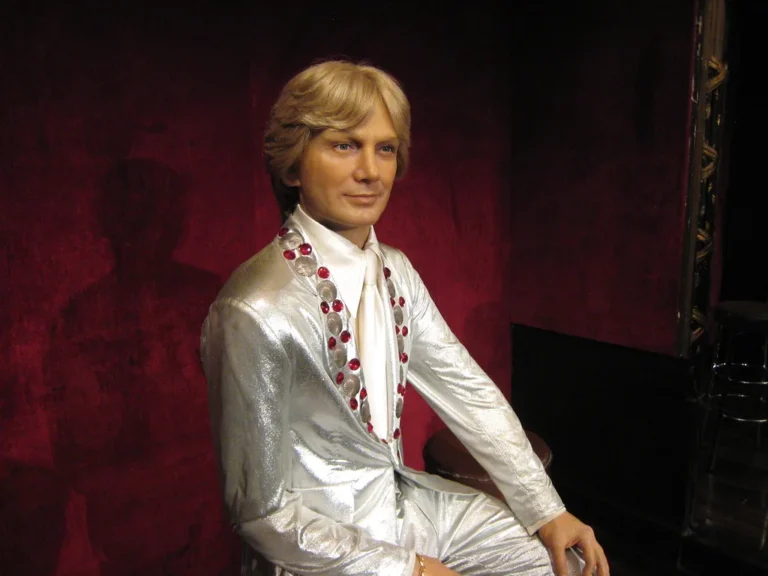

On May 8, 1975, Claude François made French music history with an unforgettable concert in Cravant-les-Coteaux. The show, held as part of a wine fair, drew nearly 10,000 people beneath a threatening sky.
Despite the approaching storm, the artist gave an electrifying performance, even throwing a shirt and a dressing gown into the crowd as gifts. That gesture, typical of his charisma, remains etched in his fans’ memories.
This concert holds particular significance in Claude François’s career, especially as it took place three years before his tragic death in March 1978. The event did not, however, bring his career to a close: he continued performing until the final days of his life.
In this article, we revisit the details of this landmark concert, what was at stake and its impact on the life and career of this legendary artist. It is a moving look at a defining moment in French music history.
Introduction and historical context
The career of Claude François, nicknamed “Cloclo,” was shaped by a childhood steeped in music and a rapid rise as a performer. Born in 1939, he began his career in the 1960s and soon made his mark on the French music scene.
Claude François’s early career and the yé-yé era
Yé-yé, the musical movement of the 1960s, transformed the French music scene. Thanks to his charisma and explosive performances, Claude François quickly became one of its leading figures.
He popularized hits such as Belles, belles, belles and Comme d’habitude, becoming a symbol of this musical revolution.
The French music scene in the 1970s
In the 1970s, France underwent a cultural shift. Concert venues and television became vital platforms for artists, giving them unprecedented exposure.
Claude François knew how to capture audiences with his energetic shows. His television appearances, particularly on Top à Claude, strengthened his status as an icon.
He mastered the art of winning over audiences by combining music, dance and energy.
The press and journalists played a crucial role in promoting him. Media coverage highlighted his talent and dedication, helping shape his image as a genuine, passionate singer.
Claude François and his last concert: what really happened?
May 8, 1975, remains a memorable date for Claude François’s fans. Held in Cravant-les-Coteaux, the concert drew thousands of people beneath a threatening sky.
The event in Cravant-les-Coteaux
The modest stage shook under the driving rain. Despite the weather, the artist gave an unforgettable performance. As rain poured down, the crowd sang along, creating an electric atmosphere.
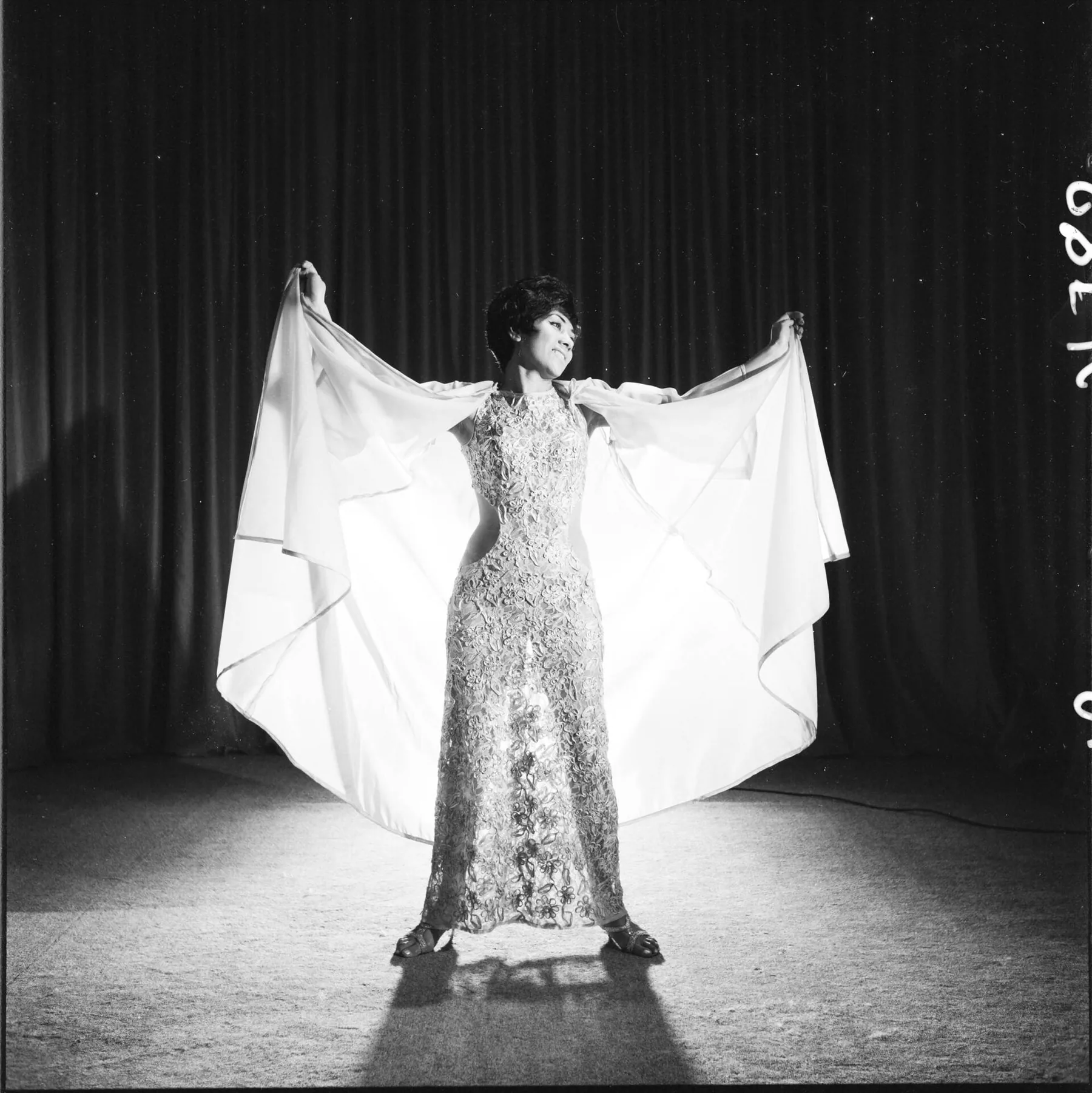
Claude François arrived in a Mercedes, rather than an Ami 6, as some stories claim. “I’m singing for you, even in the rain,” he called to the enthusiastic crowd. The declaration, typical of his charisma, would stay in people’s memories.
The festival committee and organizers played a key role in enabling stars to perform despite the difficult conditions. Unusual for its time, the concert marked a turning point in his career.
To learn more about the tragic events that followed, read this article.
Behind the scenes and eyewitness accounts
Behind the success of this historic concert was a huge organizational effort. Bernard Fèvre, who was in charge backstage, recalls an electric atmosphere despite the torrential rain and demanding logistics.
Accounts from the organizers and backstage staff
Preparations began at dawn, with a dedicated team working tirelessly. The curtain rose at 10:30 a.m., opening a day full of activity.
Backstage was a hub of coordination. The technical team and management worked together to make the stage safe despite the unfavorable weather.
An unusual solution was devised for the Clodettes: sawdust was spread on the stage to keep them from slipping. Small as this detail may seem, it reflects the attention given to every part of the show.
The organizers’ accounts highlight the teamwork and the artist’s professionalism. “We all knew this concert would be unforgettable,” recalls one team member.
For more on the event, read this article about what happened behind the scenes at the legendary concert.
Staging and the Clodettes’ role
The concert on May 8, 1975, in Cravant-les-Coteaux took place in difficult weather. Faced with torrential rain, Claude François’s team had to improvise to keep the show running smoothly.
Technical adjustments to the weather
The driving rain posed a major challenge. To prevent the Clodettes from slipping, sawdust was spread across the stage. Claude François insisted on this measure to make the dancers’ performances safer.
The quick response helped prevent accidents and reassured the performers, allowing them to concentrate on their performance.
The dancers’ importance on stage
The Clodettes, a defining part of Claude François’s career, played a central role. Their energy and synchronized movements captivated the audience, adding visual excitement and momentum to the concert.
Their presence heightened the songs’ emotional impact, creating an absorbing experience for spectators standing in the rain.
| Aspect | Description | Impact |
|---|---|---|
| Technical preparation | Spreading sawdust | Dancers’ safety |
| Quick response | Addressing weather-related problems | Keeping the show going |
| Clodettes’ role | Choreographed performance | Energy and audience engagement |
The concert remains an example of professionalism and ingenuity. The technical adjustments and the Clodettes’ performance reinforced Claude François’s image as a visionary, passionate artist.
The concert’s impact on the artist’s career
The May 8, 1975, concert in Cravant-les-Coteaux marked a decisive turning point in Claude François’s career. Although it was not his last concert, the event strengthened his status as a musical icon in France.
Media coverage and exchanges with the audience
The media response was immediate and substantial. The press covered the event extensively, emphasizing his courage and dedication despite the difficult weather. Journalists highlighted his charisma and his unique bond with the audience.
His performance won the audience over. Warm exchanges after the concert and positive reactions reinforced his image as a singer close to his fans. This emotional bond contributed to his lasting success.
The media also drew attention to his professionalism and inventiveness. This coverage helped him reach a wider audience, strengthening his place among the leading artists of the era.
To explore this story further, read this document or discover more about this period of his career.
Anecdotes and highlights of the show
The May 8, 1975, show in Cravant-les-Coteaux was filled with memorable moments. The artist captivated his audience with characteristic gestures and personal exchanges.
The legendary shirt and dressing gown
One of the concert’s most memorable moments came when the artist threw his shirt, then a dressing gown, into the crowd. The generous gesture sparked a wave of excitement. One young spectator, Florence Delépine, kept a piece of the dressing gown, turning it into a treasured keepsake.
The audience’s reaction in the rain
Despite the driving rain, the audience responded with extraordinary energy. Soaked but smiling, spectators sang along. Even with the difficult conditions, the scene remains a memory of togetherness and shared enjoyment.
| Aspect | Description | Impact |
|---|---|---|
| The dressing gown gesture | Dressing gown thrown into the crowd | A keepsake was created |
| Audience interaction | Direct exchange with spectators | Stronger bond with fans |
| Atmosphere in the rain | Enthusiastic audience despite the weather | Electric, memorable atmosphere |
These emotional, spontaneous moments helped shape the artist’s legendary image. They remain important parts of his artistic legacy.
Press coverage and cultural legacy
Claude François’s legacy continues to resonate decades later through enthusiastic media coverage and contemporary reinterpretations. This landmark concert left its mark on its era and on later generations.
Press coverage at the time and contemporary reinterpretations
The press covered the event extensively, emphasizing the artist’s courage and dedication despite the difficult weather. Journalists highlighted his charisma and unique bond with the audience.
The concert strengthened his status as a musical icon in France and drew immediate media attention. Fans kept symbolic objects, turning their souvenirs into treasured relics.
| Aspect | Description | Impact |
|---|---|---|
| Media coverage | Favorable press articles | Strengthened his legend |
| Contemporary reinterpretations | New musical interpretations | New generations |
| Cultural influence | Landmark event | Lasting legacy |
Tributes from fans and the media attest to his lasting influence on popular culture. Claude François remains a central figure in French music history.
Conclusion
The event remains in people’s memories as a defining moment in Claude François’s life and career, a reminder of his influence on French musical culture. Despite the difficult weather, he gave an unforgettable performance, captivating the audience with his charisma and energy.
The May 8, 1975, concert embodies the spirit of a passionate artist able to overcome obstacles. Media coverage and audience reactions strengthened his legacy and made him an enduring icon. His influence on French culture continues and inspires new generations.
Claude François embodies a bygone but still vibrant era. His artistic legacy, shaped in part by this legendary concert, continues to resonate today, testifying to his lasting influence on French music.
FAQ
What exactly happened at the March 11, 1978, concert in Cravant-les-Coteaux?
Who was Claude François, and why is he considered an important figure in French music?
How did his last concert before his death unfold?
What role did the Clodettes play in his career?
How did this event affect his career and public image?
Source links
- https://en.wikipedia.org/wiki/Claude_Fran%C3%A7ois
- https://en.wikipedia.org/wiki/Claude_Fran%C3%A7ois
- https://en.wikipedia.org/wiki/Claude_Fran%C3%A7ois
- https://en.wikipedia.org/wiki/Claude_Fran%C3%A7ois
- https://en.wikipedia.org/wiki/Claude_Fran%C3%A7ois
- https://en.wikipedia.org/wiki/Claude_Fran%C3%A7ois
- https://en.wikipedia.org/wiki/Claude_Fran%C3%A7ois
- https://en.wikipedia.org/wiki/Claude_Fran%C3%A7ois
- https://en.wikipedia.org/wiki/Claude_Fran%C3%A7ois
- https://en.wikipedia.org/wiki/Claude_Fran%C3%A7ois
- https://en.wikipedia.org/wiki/Claude_Fran%C3%A7ois
- https://en.wikipedia.org/wiki/Claude_Fran%C3%A7ois
- https://en.wikipedia.org/wiki/Claude_Fran%C3%A7ois
- https://en.wikipedia.org/wiki/Claude_Fran%C3%A7ois
- https://en.wikipedia.org/wiki/Claude_Fran%C3%A7ois
- https://en.wikipedia.org/wiki/Claude_Fran%C3%A7ois
- https://en.wikipedia.org/wiki/Claude_Fran%C3%A7ois
- https://en.wikipedia.org/wiki/Claude_Fran%C3%A7ois
- https://en.wikipedia.org/wiki/Claude_Fran%C3%A7ois
- https://en.wikipedia.org/wiki/Claude_Fran%C3%A7ois
- https://en.wikipedia.org/wiki/Claude_Fran%C3%A7ois
- https://en.wikipedia.org/wiki/Claude_Fran%C3%A7ois