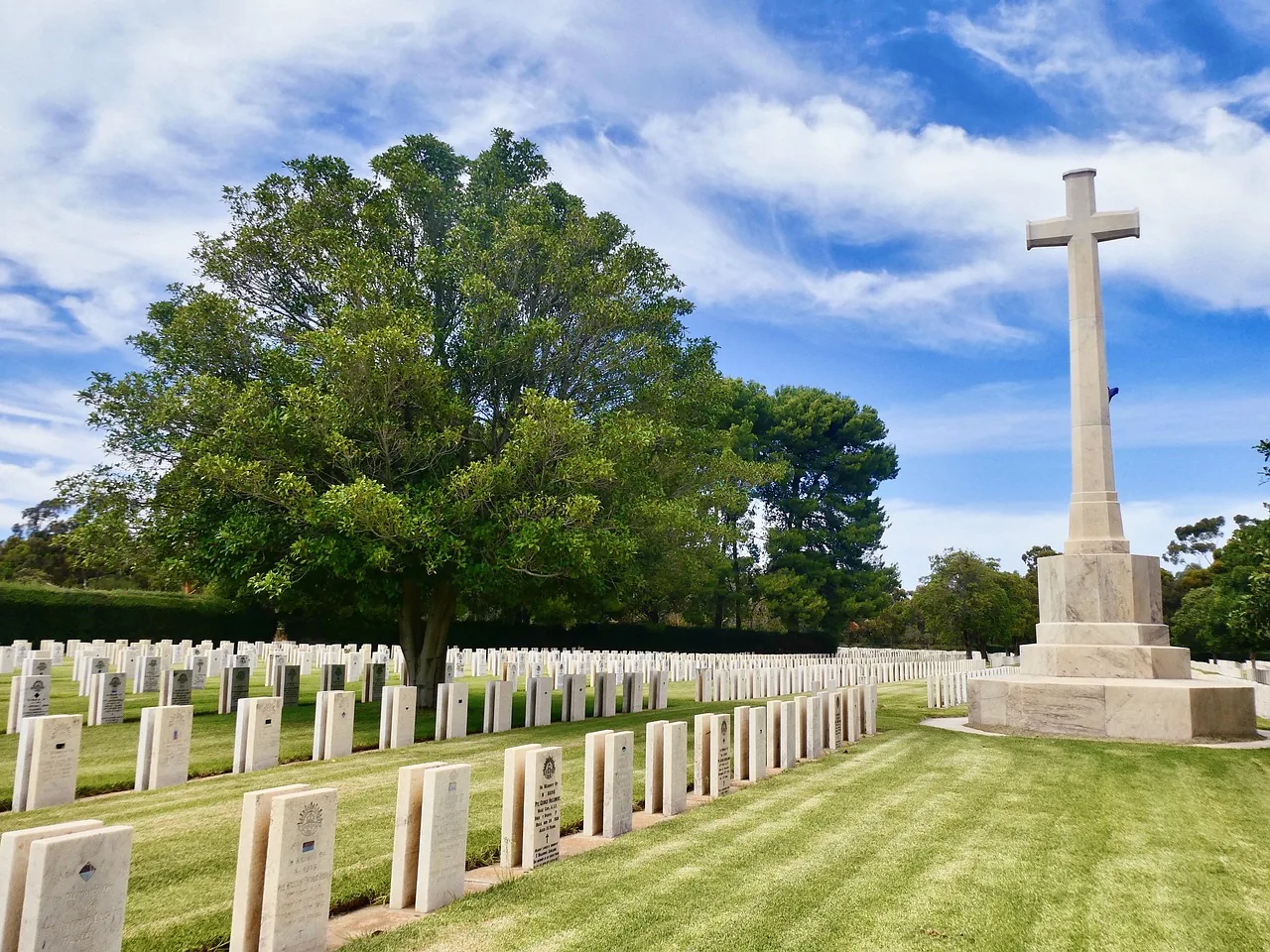

Objective: clarify where the grave is and explain how to check the information without spreading inaccuracies.
Context: several burial sites coexist in Clamart, which often causes confusion between sources. It is important to distinguish the broad entry “Burial place: Clamart” from a specific location.
The method starts with established facts: her death in Clamart on 11 November 2011 and the indication that she was buried in Clamart. We then compare addresses, coordinates and lists of people buried there to identify the most plausible location.
We do not give an unverified grave plot or section number. We favour public clues that can be cross-checked: heritage records, inventories and official identifiers.
Finally, if you plan to visit, first identify the correct site in Clamart, then contact the municipal department or the cemetery office. For more biographical information, see the profile of Janet Woollacott.
What we know about Janet Woollacott’s burial in Clamart
Any search for the grave begins with the strongest evidence: the date and place of death. The biographical record gives her death in Clamart on 11 November 2011 and the general burial entry “Burial place: Clamart.”
That information is enough to start a search, but it is not specific enough on its own. Clamart has several burial sites, so a second level of evidence is needed: an address, coordinates or a list of people buried there.
To avoid mistakes over her name, use her full identity: Janet Edith Woollacott, a British-born artist known in France as a dancer and singer. Her status as Claude François’s wife (married in 1960, divorced in 1967) also makes her more visible in online records and local entries.
Her later collaborations with musical groups (Stone Age and Space Art) also appear in cultural references used by public databases.
“Finding a name on an official list of people buried there is strong evidence, provided the exact site is confirmed.”
For more biographical details, see the profile of Janet Woollacott. The next section presents a lead to test: finding her name on a list of “notable people buried here” for a specific site to confirm that it is the right place.
Janet Woollacott’s grave: the Clamart communal cemetery lead and how to check it
The search begins with the public site that offers the most verifiable clues.
Leading possibility: the Clamart communal cemetery, known as Bois Tardieu, is recorded in the General Inventory and lists the singer among the notable people buried there. Consult the entry for Clamart communal cemetery for confirmation.
Practical reference: the address given is Avenue du Général-de-Gaulle in Clamart. Use it to plan a visit or search a map.
Coordinates to cross-check: 48° 47′ 37″ N, 2° 16′ 08″ E. Check these coordinates with a GPS to find the right site.
Common confusion: do not go to the intercommunal cemetery (Cimetière du Parc) on Rue de la Porte-de-Trivaux, which opened in 1956. The two sites are distinct.
Contextual clue: a scene from the film “Inspecteur la Bavure” (1980) was shot at this site, which can help identify it in public sources.
The appearance of her name on an official list remains the main sign of credibility.
| Item | Detail | Use | Source |
|---|---|---|---|
| Site | Communal cemetery (Bois Tardieu) | First site to check | General Inventory |
| Address | Avenue du Général-de-Gaulle | Map reference | Municipal record |
| Coordinates | 48° 47′ 37″ N, 2° 16′ 08″ E | GPS check | Maps |
| Clue | The singer appears among the notable people buried there | Checking the burial | Public lists / CWGC |
How to check the information without going to the wrong cemetery
To confirm a burial, compare at least three independent sources. Start with a biographical page stating the date and place of death. Then look for a heritage or municipal record giving the address, coordinates and a list of people buried there.
Cross-checking sources
Compare the biography with the site record in the General Inventory. If the details agree, the lead becomes more credible.
Spelling and variants
Try both spellings, Janet and Janette, when searching. A one-letter difference can hide relevant results.
Identifiers and databases
Note reliable identifiers, such as CWGC 2021295 or the General Inventory entry. These references help distinguish a structured record from a simple repetition of a claim.
Other notable people buried there
Check whether other notable people are buried at the site, using section or neighbouring-grave references. This confirms that the cemetery contains cultural figures and lends support to the lead.
Cultural clue
The scene from the film “Inspecteur la Bavure” (1980) shot there helps connect pages, maps and historical descriptions.
| Action | What to check | Why |
|---|---|---|
| Biographical page | Date and place of death | Starting point |
| Heritage record | Address, coordinates, list of people buried there | Geographic confirmation |
| Databases and identifiers | CWGC 2021295 / General Inventory | Reliability of the records |
For a final check, contact the municipal department or the cemetery office and consult the entry for the communal cemetery.
Conclusion
Conclusion
After cross-checking the sources, one location emerges as the most plausible. The strongest lead points to the communal cemetery (Bois Tardieu): its stated address (Avenue du Général-de-Gaulle) and identifiable coordinates are consistent with the biographical entry “Burial place: Clamart.”
Her name on a list of notable people buried there is a strong indicator when checked against the municipal record. To complete your verification, consult the biographical profile and contact the municipal department.
Checklist: confirm the correct site (Bois Tardieu or Cimetière du Parc), compare the address and coordinates, try spelling variants and favour official inventories. This approach helps locate the burial place of a singer reported to be buried in Clamart.