
Purpose: to clarify her legal identity and the forms of her name, and to offer a reliable biographical overview for French readers seeking clear reference points.
Background: born on 4 November 1939 in Carlton (Nottinghamshire) and deceased in November 2011 in Clamart, she was a dancer and later a singer, known for her connections with Claude François and Gilbert Bécaud.
Several spellings appear (Janet/Janette, Woollacott/Woolcoot). Biographical sources use these variants according to the period and administrative record. This point is explained and sourced below.
The page presents the main milestones: her stage career in the 1960s, appearances at the Olympia, and transition to singing and writing.
Overview of the full article: origins and legal identity, artistic career on the French Riviera and at the Olympia, private life (marriage and divorce), musical work, and memoir. A section addresses the disagreement between sources over the exact date of her death in November 2011.
This profile is strictly informational and is intended for French readers seeking dated, verifiable facts.
Janet Edith Woollacott: Full Name and First-Name Variants
Civil records contain similar entries, though their spellings sometimes differ between sources. This section clarifies her name, nationality, occupations, and key dates.
Birth name, nationality, and occupations
Birth name: Janet Edith Woollacott. Nationality: British.
She began her career as a dancer, then turned to singing. She appeared regularly in the music press and stage programmes.
Spelling variants and usage
Several spellings appear across different periods: “Janet” or “Janette,” and sometimes “Woolcoot,” a form repeated online. These differences reflect transcription and reproduction in public databases.
For clarity, this article uses the form most common in official documents and notes variants where they are cited.
Biographical milestones and conflicting sources
Born: 4 November 1939 in Carlton (Nottinghamshire, United Kingdom). Died: November 2011 in Clamart (Hauts-de-Seine).
Two dates are given for her death: 11 November 2011 and 13 November 2011. Her stated age was 72, consistent with a birth in November 1939.
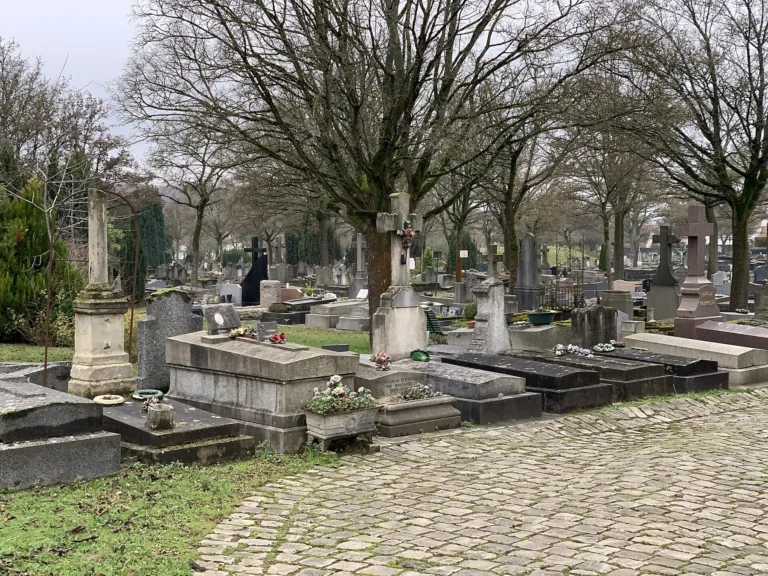
The difference may stem from a gap between the date of death, its public announcement, and its administrative recording at Clamart cemetery (Clamart, Hauts-de-Seine).
How to read this account
In the following sections, facts verified by several sources are distinguished from reports in the press. The attention surrounding her relationship with Claude François explains the lasting interest in this woman and her name.
From French Riviera Clubs to the Olympia: A Dancer in the 1960s
In clubs on the French Riviera, a dancer learned her craft to the rhythm of music and lively nights.
The Sporting Monte-Carlo had a resident orchestra and provided a stage where professional connections could form. Contact with musicians there led to relationships that shaped careers.
In 1959, a first meeting marked a turning point: Claude François, then the drummer in that orchestra, crossed paths with the young performer. Their meeting forged ties that would influence her artistic career.
Hired as a dancer at the Olympia in 1962, she joined Arthur Plasschaert’s ballet company. The discipline, rehearsals, and exposure in Paris made this stage experience a national showcase.
Her time at the Olympia opened the door to other collaborations and, later, contributed to her prominence in the press. For further biographical background, see the reference page.
Claude François: Marriage, Life Together in Paris, and Divorce
The ceremony on 5 November 1960 in Monaco marked an official event in the couple’s life. That day, at Monaco’s town hall, she became the wife of Claude François. This remains the singer’s only publicly acknowledged marriage.
In 1961, the couple moved to Montmartre. Life in Paris changed their professional and private routine. They tried to build a life together as their careers grew.
Sources describe a tense relationship marked by jealousy and possessiveness. They gradually separated in the early 1960s. Their divorce was granted on 13 March 1967, after several difficult years.
Culturally, this period fed into pop music. The ballad “Je sais” (1964) is often linked to the breakup. In September 1964, a public episode at the Olympia suggested a moment of reconciliation; Bécaud and France Gall congratulated Claude François, illustrating the changing personal relationships.
| Event | Date | Outcome |
|---|---|---|
| Civil marriage | 5 November 1960 | Official, publicly acknowledged marriage in Monaco |
| Move to Paris | 1961 | Life in Montmartre amid media and professional pressure |
| Divorce | 13 March 1967 | Legal separation after several years of tension |
This marriage and subsequent divorce still shape accounts of the artist’s private life. For additional biographical context, see the reference page and the musical analysis on the dedicated site.
Gilbert Bécaud and Her Private Life: Daughter, Relationships, and Remarriages
A turning point: their meeting at the Olympia in 1962 began a significant period in her life. Her relationship with Gilbert Bécaud lasted about four years and marked the period from 1962 to 1968.
Her relationship with Bécaud
“Mr 100,000 Volts” made a strong impression on stage. His public image increased the attention paid to the couple.
Bécaud’s fame affects how this story is understood in biographies. Accounts from the time often present those years as a turning point.
Her daughter: Jennifer
The relationship produced a daughter in 1968: Jennifer Bécaud, who later became a singer under the name Jennifer Kay.
She is the only daughter recorded. This family connection remains central to Woollacott’s family and artistic life.
Later husbands and partners
Later, she shared her life with several partners: producer Jean-Paul Barkoff, actor Jean Sarrus, and composer Dominique Perrier.
These relationships also contributed to her musical career. For further details about her death, see the dedicated profile.
Singer and Author: Songs, Collaborations, and Memoir
At the start of the 1970s, she changed artistic direction and made her first recordings under a pseudonym. Moving from stage to studio marked a significant shift.
Her first duets date from 1970, with Jean Sarrus: two notable tracks gave her exposure and expanded her professional network. These recording sessions laid the foundations for her singing career.
Notable releases: the singles “Bénie soit la pluie” and “Le chocolat” appeared in 1972. These songs are often cited as key works in her discography.
With Dominique Perrier, she composed and performed English-language songs for the film Adieu blaireau (1985): “Mama” and “The dream” confirmed her interest in varied formats.
Her musical work continued with Stone Age (from 1994) and credits for Space Art: Play Back (1980) and the tribute project (2011). These credits show her sustained work in singing and writing.
Finally, the book Claude François, les années oubliées (1998) helped preserve memories of that period. It offers a perspective on their life together and sheds light on the years that shaped her career.
For a biographical notice and further details, consult the dedicated profile.
| Year | Project | Tracks/role | Impact |
|---|---|---|---|
| 1970 | Duets with Jean Sarrus | “Je t’aime… normal,” “Super-gangsters” | Early exposure |
| 1972 | Solo singles | “Bénie soit la pluie,” “Le chocolat” | Notable tracks |
| 1985 | Film | “Mama,” “The dream” (soundtrack) | English-language soundtrack songs |
| 1980 / 2011 | Space Art | Vocal and writing credits | Credits spanning several years |
Conclusion
This conclusion brings together the documented points to guide biographical research. Janet Edith Woollacott, born on 4 November 1939, first became known as a dancer on the French Riviera and then at the Olympia, before turning to singing.
Her private life remained linked to prominent figures: marriage to Claude François (1960–1967), a relationship with Gilbert Bécaud, and the birth of Jennifer Bécaud.
She died in Clamart in November 2011; sources differ on the exact date (11 or 13 November). This discrepancy warrants checking against official records.
For her discography and credits, consult the reference profile for Janet Woollacott.