
Commemorations renew interest. Decades after his death on 11 March 1978, the singer’s life remains a subject of interest. This page looks back at his only marriage and what continues to fuel debate about it.
I will trace the facts here: their meeting, marriage, difficulties and divorce. Then I will examine what turns a private romance into a public myth. Fame, jealousy, careers and an artistic love triangle are the ingredients of this story.
We will establish the facts—key dates and archival records—to avoid vague legends. To learn more, read a detailed account of the singer’s life in this article about his career and the women who shaped his life. The following sections cover the context of the commemorations, Janet Woollacott’s biography, the chronology from Monaco to Paris, and the legacy of their story.
A couple remembered through the years: a story at the heart of the Cloclo legend
Each March, commemorations bring the singer’s life back to public attention. As 11 March approaches, the media publish features and photo galleries about him.
His death on 11 March 1978 remains a clear point of reference. The 45th anniversary renewed interest in his private life and brought his only marriage back into focus.
That marriage holds a particular place in his story because it is officially dated and documented. Archival records and personal accounts make it possible to retrace its history.
Each anniversary offers a day to revisit the women in his life and publish articles about his most widely discussed former wife.
How can a relatively short relationship endure through the years and remain so widely discussed? Fixed dates, archival images and published accounts sustain media interest.
For a closer look at the effect of commemorations on biographical accounts, a recent personal account also sheds light on the subject: family memories and media coverage.
The following sections return to Janet Woollacott and the world of entertainment that shaped this story.
Who was Janet Woollacott, the British dancer who became a figure in French entertainment?
Born on 4 November 1939 in Carlton, Nottinghamshire, Janet Woollacott first established herself as a performer. Her records identify her family background: she was the daughter of Leonard Arthur Woollacott and Clarice Edith Burton.
While still very young, the dancer moved to the French Riviera to train. She performed in clubs, took on one routine after another and learned to face an audience. At that age, the stage became a place where she could learn and gain recognition.
The turning point came at the Sporting Monte-Carlo. This prominent venue gave performers a chance to be noticed and meet producers. It was there that her stage presence caught the attention of industry professionals.
Before any relationship attracted press attention, she had already built an artistic career through dance, stage performances and constant learning. This background explains why her meeting with Claude François began in a professional setting.
From their first meeting to their wedding in Monaco: a romance in the spotlight
At the Sporting Monte-Carlo, two artistic paths crossed and changed the course of their lives. In 1959, Woollacott was part of Arthur Plaschaert’s ballet troupe, as Olivier Delavault notes, and their work brought them together.
1959: their meeting at the Sporting Monte-Carlo
The setting was one of backstage areas, rehearsals and dressing rooms. The two young performers quickly connected. Their relationship took a turn when their personal lives began to intertwine with their ambitions and shared plans.
5 November 1960: a wedding in Monaco
They made their relationship official on 5 November 1960 in Monaco. It was Claude François’s only official marriage, an occasion marked by Monaco’s glamour and covered by the press at the time.
For more details about this chapter, read this account of the singer’s only official wife: the dedicated profile.
A young couple balancing ambition and the pressures of show business
In the early 1960s, the couple had to balance career hopes with uncertainty. Their profession dictated their schedules, travel and constant public exposure.
As a wife, Woollacott was expected to offer quiet support, remain present behind the scenes and sometimes give up professional opportunities. Difficulties soon emerged: jealousy, exhaustion and tension between performing and married life.
Paris, the Olympia and Gilbert Bécaud: when professional life unsettled their relationship
The move to Paris marked a decisive turning point for the couple, bringing career opportunities alongside everyday tensions.
Settling in Paris: hopes and harsh realities
The capital offered professional opportunities but demanded a punishing pace. Travel, rehearsals and competition soon weakened the balance of their home life.
On the Olympia stage
Hired to dance in the ballet troupe accompanying Gilbert Bécaud’s concerts, she gained greater visibility.
That exposure increased her public profile. The stage became a place where her career and private life constantly intersected.
Jealousy and a friend’s betrayal
A relationship that began backstage went beyond professional boundaries. The conduct of a performer close to the couple left Claude François feeling betrayed.
“He never got over the situation,” says a witness quoted in the archives.
From separation to a media story
The breakup ceased to be private: it became a subject taken up by the press. Profiles, columns and celebrity coverage turned a personal separation into a public story.
The crisis fed the singer’s myth, as well as the songs and accounts associated with that period.
Janet Woollacott and Claude François: why their story fascinates
For this couple, love quickly became entangled with performing, possessiveness and media exposure.
A complex relationship: love, possessiveness, performance and the singer’s image as a heartthrob
The relationship mixed desire with control. Their work required travel and drew public attention, intensifying jealousy and the tension between private and public life.
“Je sais” (1964): when a song becomes a tribute
Recorded in late 1964, “Je sais” is often interpreted as a tribute. A song can preserve an emotionally charged moment and add to an artist’s legend.
1967: the divorce is finalized, and Claude turns to work
The divorce, finalized in 1967, marked a turning point. Claude François immersed himself in work, turning his pain into creative expression.
The impossible “choice” for the women in his life
Partners, muses, wives or rivals: the women in his life had to contend with a success that competed for his attention. This dilemma shapes collective memory and the place given to his former wife.
A contrast with France Gall: another relationship that feeds the myth
His relationship with France Gall offers a contrast. Their breakup after the 1965 Eurovision Song Contest and the origins of “Comme d’habitude” reinforce the picture of a turbulent romantic life.
For more on controlling behavior and its effects on those around him, read an account of the control described by someone close to him, as well as a feature on the singer’s rare records and vinyl.
After Cloclo: Janet’s life of love, motherhood and music
The next chapter shows a woman reinventing herself through new relationships and artistic projects.
Her relationship with Gilbert Bécaud
A significant romance born in the music world lasted several years. It brought together love and professional life without diminishing her independence as an artist.
1968: Jennifer’s birth
Jennifer, the daughter born of this relationship, arrived in 1968. The father’s role remains part of public accounts, but motherhood was especially important in Janet Woollacott’s personal life.
From the 1970s to the 1980s: a move into singing
She gradually moved from dance to singing. Her notable songs include “Bénie soit la pluie” and “Le chocolat.” Her collaboration with Dominique Perrier marked a period of creative work.
“Reinventing myself on stage was a necessity more than a choice.”

| Years | Event | Impact |
|---|---|---|
| 1968 | Jennifer’s birth | Family stability, media attention |
| 1970s and 1980s | Solo releases and collaborations | Recognition as a singer |
| Around 1998 | Publication of “Claude François, les années oubliées” | A personal account and written legacy |
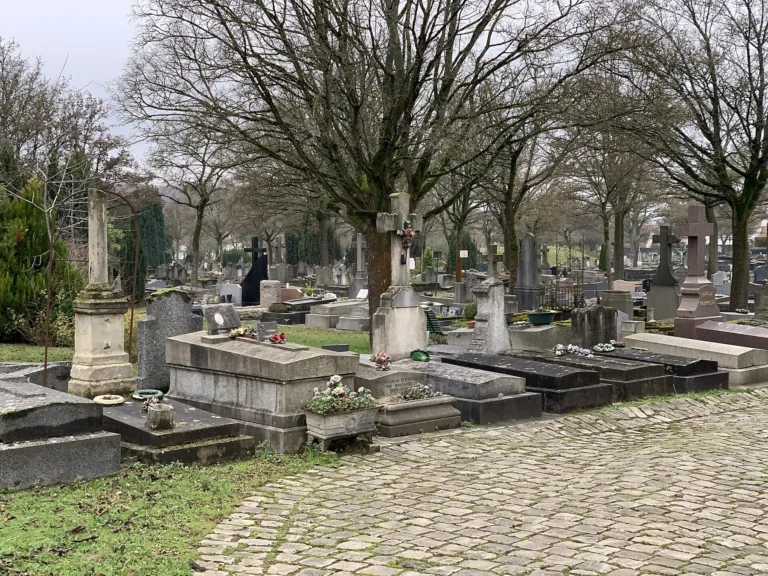
| 2011 | Death on 11 November and burial in Clamart | A final biographical milestone |
Her legacy combines memories of a life on stage with her wish to tell the story she shared with François. For a fuller biography, read this detailed account of her life and career: a life remembered.
Conclusion
Public memory preserves the story of a couple who became emblematic: an intimate relationship with a documented timeline, carried forward through songs and images. The combination of dates, songs and the singer’s public image helps explain the enduring fascination.
This woman’s place in the story is twofold: she was his only official wife and an artist in her own right. Her life and legacy reflect a career that is not eclipsed by the singer’s myth.
The story extends beyond the couple. It shows how the women around stars become media figures, sometimes against their wishes. Love, separation and rebuilding reveal the demands of a profession lived in public.
Memories live on through Janet’s daughter and family images, while the singer’s sons sustain interest in his life. Janet Woollacott thus remains associated with his legend.