
Why this story is back in the spotlight: the France 3 documentary Archives secrètes : le temps des amours has renewed interest in a story that brings together private life and the public stage.
This article aims to untangle the facts: it examines dates, places and accounts to put the affair in the context of the 1960s. Its approach is factual and avoids romanticizing events.
The thread running through the story is a marriage, an artistic encounter and a public rivalry between two stars. We follow events from the first meeting to the administrative consequences.
The details come from the documentary and accounts by people close to those involved, notably Christine Reynolds and Jennifer. We also draw on related sources, such as the musical career of Dominique Perrier, to better understand the wider connections in this story.
The aim is to understand how a private relationship fed an artistic rivalry, with tangible effects on a name, a passport and public memory.
Why the relationship between Janet Woollacott, Claude François and Gilbert Bécaud is back in the news
A television documentary has reopened the story, prompting renewed interest from the media and the public. Broadcast in September on France 3, Archives secrètes : le temps des amours draws on footage and testimony. Its editing brings together material previously scattered across archives.
The role of the documentary and the archives
The broadcast has brought images and documents back into circulation. Within a few weeks, the press and social media revived interest in the story. The television format encourages checks of dates, places and marital status instead of simply repeating rumors.
What Christine Reynolds and the daughter say
Christine Reynolds, a close friend, describes the rehearsals, the singer’s invitation and the feeling that the woman at the center of the story was “already under his spell.” Her account offers a close-up perspective.
The daughter offers a family perspective. She describes a passionate relationship, calling it a secret love, and adds nuance to some public speculation.
| Source | Contribution | Impact |
|---|---|---|
| France 3 documentary | Archive footage, timeline | Renewed media interest |
| Christine Reynolds | Firsthand account | Context for the rehearsals |
| The daughter | Family perspective | Humanizes the story |
This account distinguishes rumors from documented facts. It sheds light on the singers’ rivalry over their public images and sets up the timeline and biographical background that follow.
For more on the accounts and their context, read this in-depth article, which adds to the story.
Janet Woollacott, a British dancer: biographical background and the 1960s
In the 1950s, the French Riviera gave this dancer a setting for encounters that would shape her life. Born on November 4, 1939, in Carlton, United Kingdom, and deceased on November 13, 2011, in Clamart, she followed the path of a young stage performer seeking opportunities to work.
Birth, dance career and the French Riviera stage
On the Riviera, clubs and orchestras formed a lively arts scene. Daily performances brought singers, musicians and venue managers into contact.
From clubs to the Sporting Monte-Carlo: the setting before fame
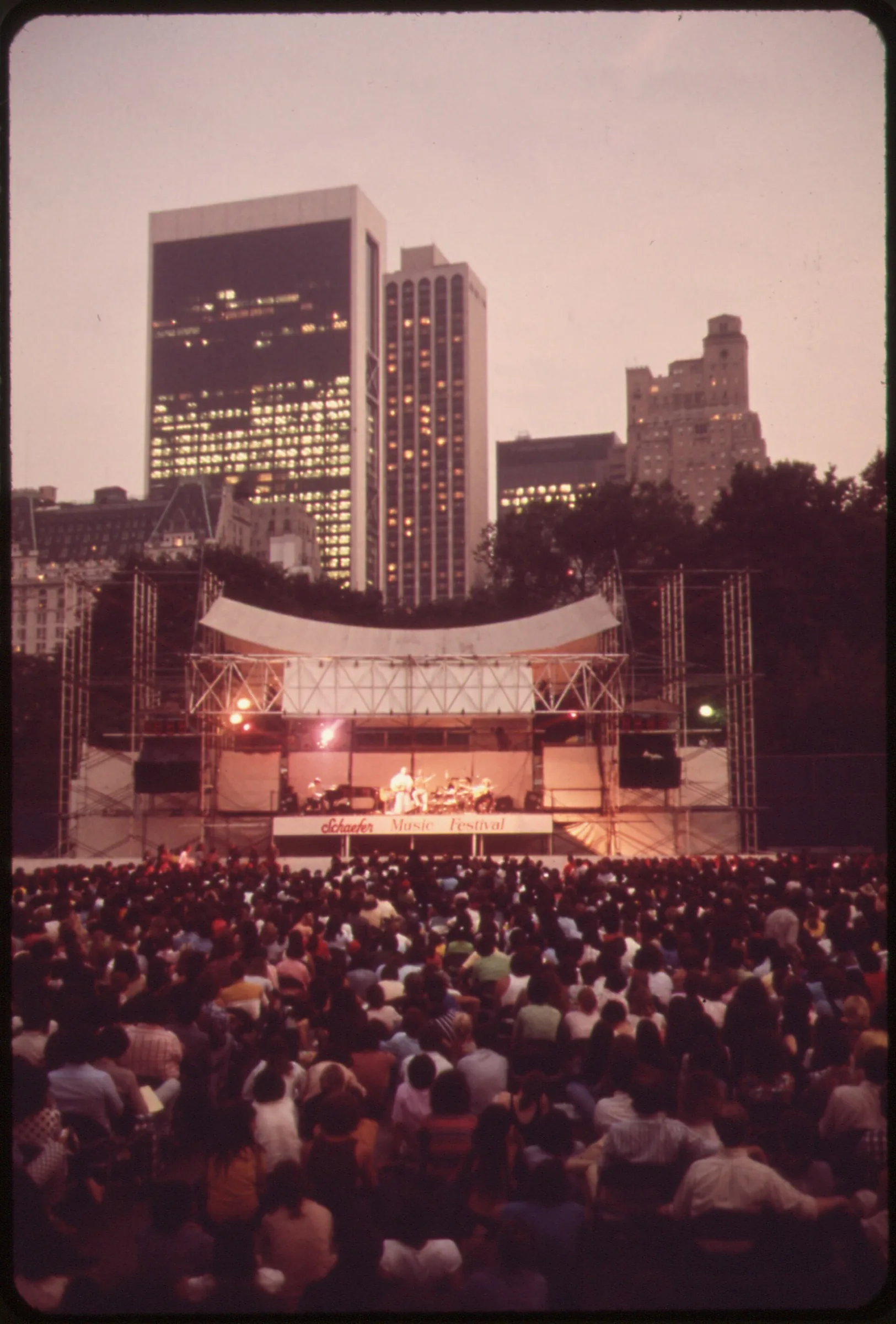
Hired to work with the Sporting Monte-Carlo orchestra, she found herself in a social hub. The venue encouraged meetings among performers and professional alliances, while careers and private lives intertwined.
In the late 1950s, this dancer was around 20 years old. At that age, the young woman moved in a world where public images took shape quickly.
Her daily life revolved around tours, rehearsals and the need to find work. Pressure from men around her—agents, producers and entertainment professionals—often influenced her choices.
This background helps explain how the Riviera arts scene led to a decisive meeting, followed by a move to Paris and work at the Olympia.
From meeting in Monaco to life together in Paris: her story with Claude François
Their artistic paths crossed in Monaco in 1959.
1959: the meeting and love at first sight
At the Sporting Monte-Carlo, a young singer at the start of his career met a Riviera dancer. Their meeting is described as love at first sight.
November 1960: marriage at Monte-Carlo town hall
They married on November 5, 1960, at Monte-Carlo town hall. Her status as a wife changed the couple’s exposure to the media and the social expectations they faced.
1961: moving to Paris, the Papagayo and artistic life
In 1961, the couple moved to Montmartre. In Paris, both performed at venues: he at the Papagayo, she at the Olympia.
1963: the success of “Belles ! Belles ! Belles !” and the couple’s changing balance
The song’s success in 1963 brought the singer to prominence. Fame disrupted schedules, increased pressure and changed the people around the couple.
Jealousy and control: a marriage described as stifling
Several accounts describe pronounced jealousy and control over everyday life. People close to the couple describe the atmosphere as stifling.
| Year | Event | Impact |
|---|---|---|
| 1959 | Meeting in Monaco | Start of the relationship and their first shared commitments |
| November 5, 1960 | Marriage at Monte-Carlo town hall | Public status and social expectations |
| 1961 | Move to Paris | Stronger artistic networks, parallel careers |
| 1963 | Success of the song | Imbalance, media pressure and personal tensions |
Janet Woollacott: a timeline of her relationships with Claude François and Bécaud
At the Olympia, a professional exchange soon took an intimate turn.
At the Olympia: the professional meeting and rehearsals
Opening acts at this major venue often created opportunities for performers to spend time together backstage. Rehearsals brought performers, technicians and musicians closer, making their exchanges more frequent and informal.
The turning point described by those close to them
According to Christine Reynolds, Gilbert Bécaud fell “under her spell” during rehearsals. He then invited her for a drink after the show.
Reasons for the attraction
People close to them describe the singer as having a “zest for life” and a cheerfulness that contrasted with the other performer’s intense focus. That difference created a strong emotional bond.
Fear, departure and separation
Fear of a jealous reaction prompted a drastic decision. A departure for London followed, and a separation announced by telephone brought the situation to an end.
Discretion, Rue de Courcel and a double life
They later met again in a private apartment on Rue de Courcel, away from public view. Jennifer would later call it a “secret love.”
At the time, Gilbert Bécaud was married to Monique Nicolas. His double life complicated family arrangements and the singer’s public image.
For broader musical context, read this tribute to a contemporary composer: tribute to Dominique Perrier.
1965–1967: Jennifer, the rivalry and the symbolic battle over the name “François”
Between 1965 and 1967, a private affair became a public dispute over a little girl’s identity.
June 3, 1965: birth and status
On June 3, 1965, a girl was born in London. Her mother was a partner in both life and performance. Her biological father remained in the background.
Legal acknowledgment, passport and symbolism
The mother’s legal husband at the time acknowledged the child. This “acknowledgment” placed his name on official records. For six years, the passport bore the name “Jennifer François”.
The document took on symbolic meaning in a clash of egos.
Public rivalry: a “cockfight”
The daughter would later speak of “a little revenge” and a “cockfight.” The dispute combined romantic jealousy with artistic rivalry between two stars. It went beyond their private lives as the press and people around them took up the story.
March 13, 1967: legal outcome
The divorce was granted on March 13, 1967. It ended one period but left a lasting mark on accounts of the story and on public memory.
After the separation: what happened to Janet Woollacott, Claude François and Gilbert Bécaud
The years after the separation took them in three different directions. Each reorganized life around performance, family and new projects.
For her, performing remained central. She married Jean-Paul Barkoff, Jean Sarrus and Dominique Perrier, and pursued a music career: duets from 1970, songs in 1972, a contribution to a film in 1985 and renewed collaborations from 1994.
The singer continued to have a highly publicized love life. Some songs, including “Je sais” and “Comme d’habitude,” have been interpreted as responses to the separation, depending on the source.
Acknowledgment by her biological father changed Jennifer’s situation: she stepped into the public eye at 25 and established a new public presence.
Archives and memory: in 1998, a book co-written with Christine Reynolds sought to place those overlooked years in context by bringing together accounts and documents.
| Person | Main themes | Impact |
|---|---|---|
| Janet | Performance, marriages, music projects | Continuing career, new directions |
| The singer | Public relationships, songs linked to the separation | Greater media visibility |
| Jennifer | Later acknowledgment | Visibility in adulthood, a new account of her story |
To learn more about the other singer’s family, read about his children.
Conclusion
By bringing together dates and accounts, this story reveals how personal tensions became public. The timeline of key events is as follows: a meeting in 1959, marriage in 1960, a move to Paris in 1961, success and tensions in 1963, growing closeness with Gilbert Bécaud, Jennifer’s birth in 1965 and divorce in 1967.
This story illustrates the pressures of fame, the management of public image, the position of women performers and the rivalries of the yé-yé era. The words of Christine Reynolds and Jennifer offer valuable insight, though they must be understood in context.
Interest continues: archives, books and documentaries keep this story in the public memory. For another account, read this Gala account of the affair.
Ultimately, the relationship between Janet Woollacott and Claude François remains a story of love and rivalry that raises questions about how we view popular icons.