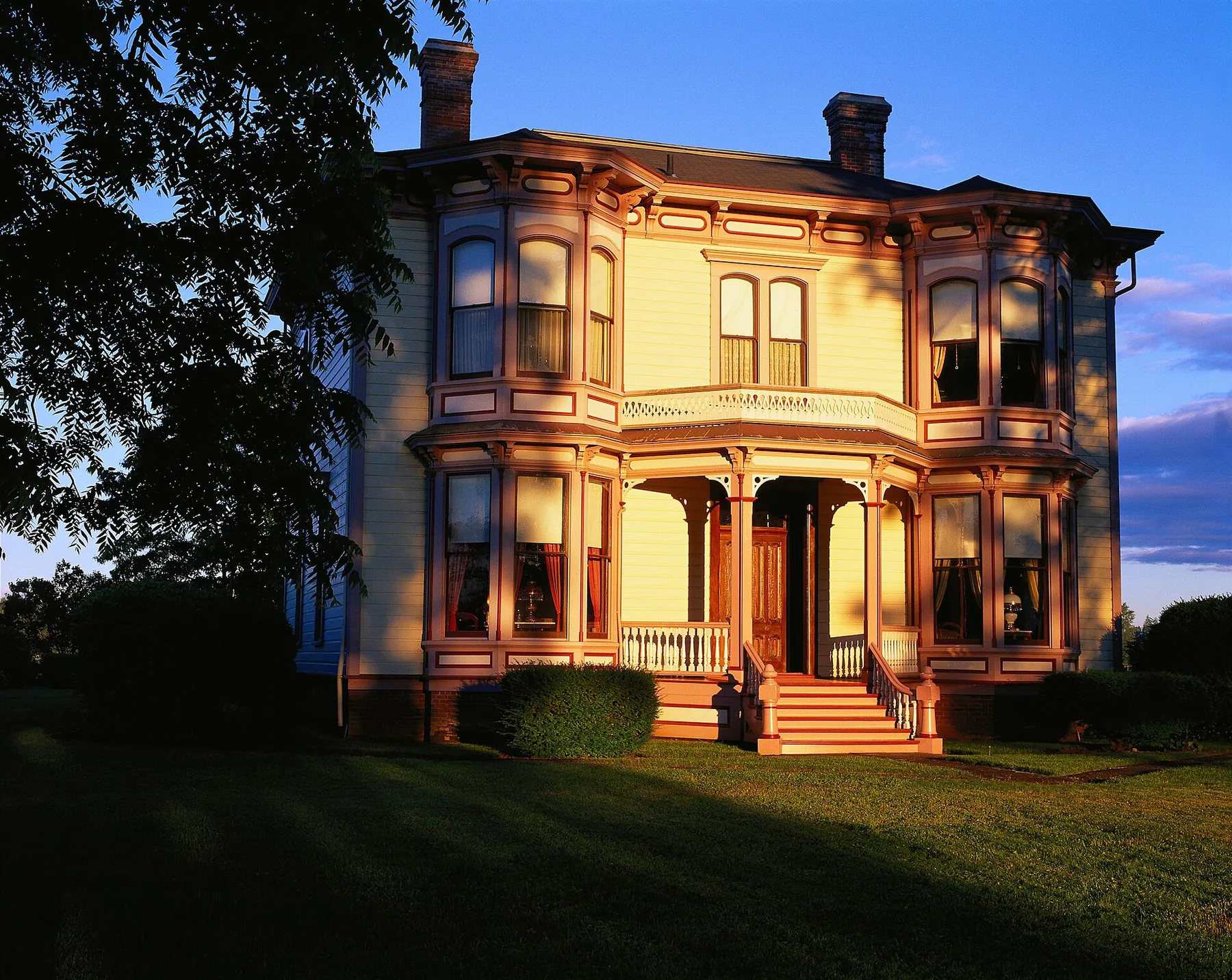

Claude François’s house, less than an hour from Paris, is an iconic place steeped in history and emotion. Nestled in an idyllic setting, this peaceful retreat was the famous artist’s favorite refuge, offering him respite from the bustle of Parisian life.
A river runs through the grounds, adding to the property’s serenity. The house has retained its original character and bears witness to Claude François’s life and work, as well as the time he spent relaxing there.
The residence still bears traces of the significant events that took place there. It is an important part of the region’s heritage and offers a glimpse into the artist’s life.
More than a residence, this place is a symbol of passion, creativity and legend. In this article, we explore the many facets of the house, from its rich history and personal significance to the stories that make the mill unforgettable.
Origins and history of the residence
The Moulin de Dannemois, near Paris, is a place steeped in history. Claude François bought it in 1964 on Brigitte Bardot’s advice.
The purchase and its historical context
In 1964, Claude François was a rising singer looking for a refuge for his family. On Brigitte Bardot’s advice, he discovered the mill. Its river and peaceful surroundings offered him respite from the demands of his artistic life in Paris.
Early residents and family stories
The residence soon became a family gathering place. His mother and sister, and later his wife and children, found a peaceful haven there. A local legend even links Joan of Arc to the site, adding another historical dimension to it.
Transformed into a family sanctuary, the mill symbolizes Claude François’s search for tranquility. It embodies an artistic and family legacy and offers a window into the life of this iconic singer.
Architecture, renovation and improvements
As transformed by Claude François, the Moulin de Dannemois combines modernity and tradition. This residence near Paris is a striking example of a luxurious renovation.
Transforming the mill and restoring its spaces
The careful renovation preserved the mill’s historic charm while introducing modern features. Claude François worked with architects to create a space that was both practical and attractive.
The interiors, now open to visitors, offer a glimpse into the artist’s world.
The heart-shaped swimming pool and other innovations
The heart-shaped swimming pool, inspired by Elvis Presley’s, reflects a taste for modern design. Equipped with advanced technology, it symbolizes Claude François’s interest in innovation.
A carefully designed English-style garden completes the picturesque setting. Discover how these features contribute to the enchanting atmosphere of the Moulin de Dannemois.
Stories and memorable moments at the Moulin de Dannemois
A refuge and source of inspiration for Claude François, the Moulin de Dannemois is full of stories and memorable moments that have shaped its history.
Composing “Comme d’habitude”
One of the most memorable moments was the creation of the song “Comme d’habitude.” Claude François found inspiration beside the heart-shaped pool, a place that symbolized his love of innovation and music. The peaceful setting stimulated his creativity and gave rise to one of his best-known songs.
Composed at dusk after a particularly inspiring day, the song reflects the mill’s atmosphere and the calm needed to create a memorable work.
Famous visitors and unusual incidents
The mill welcomed many well-known guests, strengthening its legendary status. Johnny Hallyday, a close friend, was among its regular visitors and shared unforgettable moments there with Claude François.
A significant incident was the fire of 1974, which damaged part of the mill. Although tragic, the event became part of the property’s enduring story.
Fans often feel deeply moved when they visit the places where so many memorable moments unfolded. The current owner has played a crucial role in preserving this atmosphere, helping visitors feel closer to Claude François’s history.
Claude François’s house: history and anecdotes
In Dannemois, the Moulin de Dannemois is an iconic place steeped in history, emotion and culture. Once Claude François’s home, it now houses a museum where visitors can discover the artist’s world.
Guided tours and an immersive museum visit
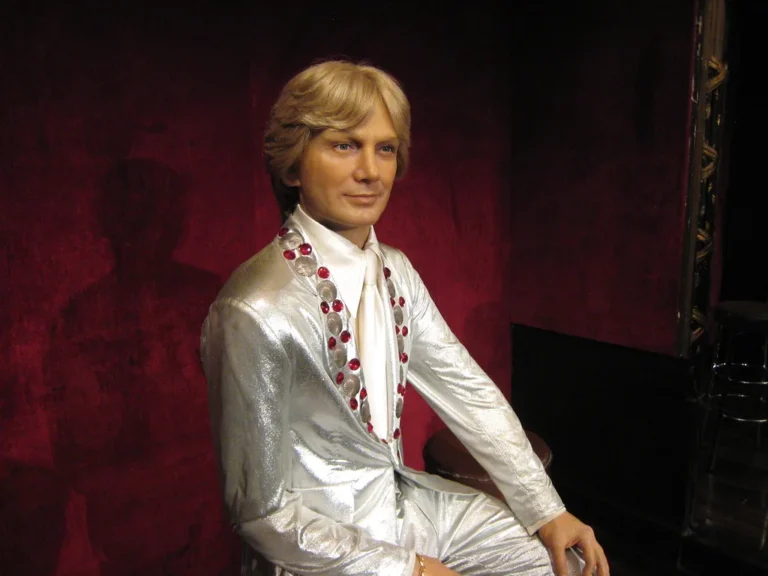
The museum, housed in the former boiler room, displays a collection of Claude François’s costumes and personal belongings. Some were bought at auction for substantial sums, showing the continuing interest in the property and its history.
The American House, a private space where Claude François welcomed his friends, is another notable part of the property. It reflects his personal history and offers a glimpse into his creative world.
Guided tours immerse visitors in Claude François’s world. Guides present objects such as candy dishes, medals and even a silk dressing gown to recreate the atmosphere of the past.
Fans and the current owner share a desire to preserve the property’s authenticity. The museum plays an important role in passing this cultural heritage on to future generations.
To learn more about guided tours and exhibitions, visit the official website: Claude François museum. Articles such as the one in Le Parisien also take a closer look at the property’s history.
Immersive cultural experiences
Today, the Moulin de Dannemois offers experiences combining music, food and a festive atmosphere, allowing visitors to discover Claude François’s world.
Dinner shows and encounters with the world of entertainment
Dinner shows at the mill recreate the atmosphere of Claude François’s legendary parties. An official impersonator and his Clodettes entertain guests, immersing them in the show-business atmosphere of the 1960s and 1970s.
| Key elements of the dinner shows | Descriptions |
|---|---|
| Music | Performances of Claude François’s greatest hits |
| Immersive atmosphere | Themed decorations and sound effects |
| Dining | A menu created by the “Les Disques d’Or” restaurant |
| Interaction | Active audience participation in the entertainment |
The “Les Disques d’Or” restaurant serves refined cuisine. Sound and visual effects, together with carefully prepared sets, deepen the sense of immersion in this enchanting atmosphere.
Visitors can also take part in interactive encounters that add another dimension to the experience. Commemorative items are available to buy, giving them a souvenir to take home.
As one participant put it: “These evenings truly take you back to Claude François’s era, perfectly combining music, food and emotion.”
To learn more about these experiences, visit the official website of the Jean-François Millet museum and studio, which provides detailed information about events and guided tours.
The future of this iconic place for fans
The Moulin de Dannemois, a place filled with emotion, is preparing for a new chapter. An ambitious project planned to turn the building into a boutique hotel, offering an immersive Claude François experience from late 2024.
Boutique hotel project and modernization
With 11 rooms, including three luxurious suites, the boutique hotel promises a distinctive experience. Modern improvements will respect Claude François’s legacy while providing contemporary comfort. Fans will be able to experience the atmosphere of this historic yet innovative place.
The work, scheduled for completion by the end of 2024, includes modernizing the facilities and creating spaces for visitors. The first events were announced for March, giving fans an opportunity to discover this legendary place in a new light.
Interest from fans and Claude François’s lasting appeal have raised expectations for the project. Discover how this iconic place continues to captivate visitors.
Conclusion
The Moulin de Dannemois, an iconic place in Claude François’s life, remains a living testament to his artistic and cultural legacy. A peaceful haven, the mill represents his family refuge and one of his sources of inspiration. Careful renovations have preserved its historic charm while adding modern features, allowing visitors to immerse themselves in his world.
Stories and memorable moments, such as the composition of “Comme d’habitude”, reflect the emotion and creativity that marked his career. The boutique hotel project promises to carry his legend forward and offer an experience in which every room, suite and architectural detail tells a story. Discover how circumstances and social interactions influenced the creation of his songs.
Steeped in history and emotion, this place invites visitors to rediscover the spirit of a bygone era. Each visit offers a glimpse into the life and passion of an unforgettable artist, connecting past and future for generations to come.
FAQ
Where is Claude François’s house?
In what year did Claude François die?
Which river runs through the Dannemois property?
What did Claude François’s swimming pool look like?
Is Claude François’s house open to visitors?
What are the future plans for the Moulin de Dannemois?
Source links
- https://en.wikipedia.org/wiki/Claude_Fran%C3%A7ois
- https://en.wikipedia.org/wiki/Claude_Fran%C3%A7ois
- https://en.wikipedia.org/wiki/Claude_Fran%C3%A7ois
- https://en.wikipedia.org/wiki/Claude_Fran%C3%A7ois
- https://en.wikipedia.org/wiki/Claude_Fran%C3%A7ois
- https://en.wikipedia.org/wiki/Claude_Fran%C3%A7ois
- https://en.wikipedia.org/wiki/Claude_Fran%C3%A7ois
- https://en.wikipedia.org/wiki/Claude_Fran%C3%A7ois
- https://en.wikipedia.org/wiki/Claude_Fran%C3%A7ois
- https://en.wikipedia.org/wiki/Claude_Fran%C3%A7ois
- https://en.wikipedia.org/wiki/Claude_Fran%C3%A7ois
- https://en.wikipedia.org/wiki/Claude_Fran%C3%A7ois
- https://en.wikipedia.org/wiki/Claude_Fran%C3%A7ois
- https://en.wikipedia.org/wiki/Claude_Fran%C3%A7ois
- https://en.wikipedia.org/wiki/Claude_Fran%C3%A7ois
- https://en.wikipedia.org/wiki/Claude_Fran%C3%A7ois
- https://en.wikipedia.org/wiki/Claude_Fran%C3%A7ois
- https://en.wikipedia.org/wiki/Claude_Fran%C3%A7ois
- https://en.wikipedia.org/wiki/Claude_Fran%C3%A7ois
- https://en.wikipedia.org/wiki/Claude_Fran%C3%A7ois