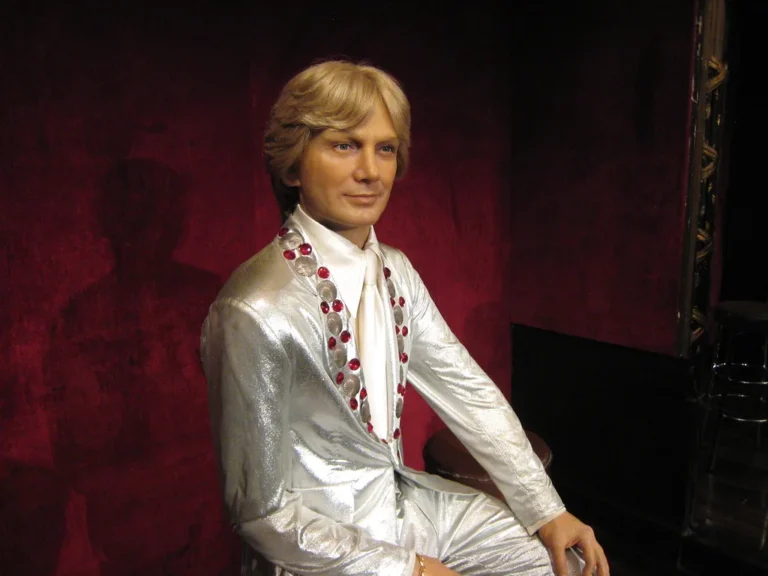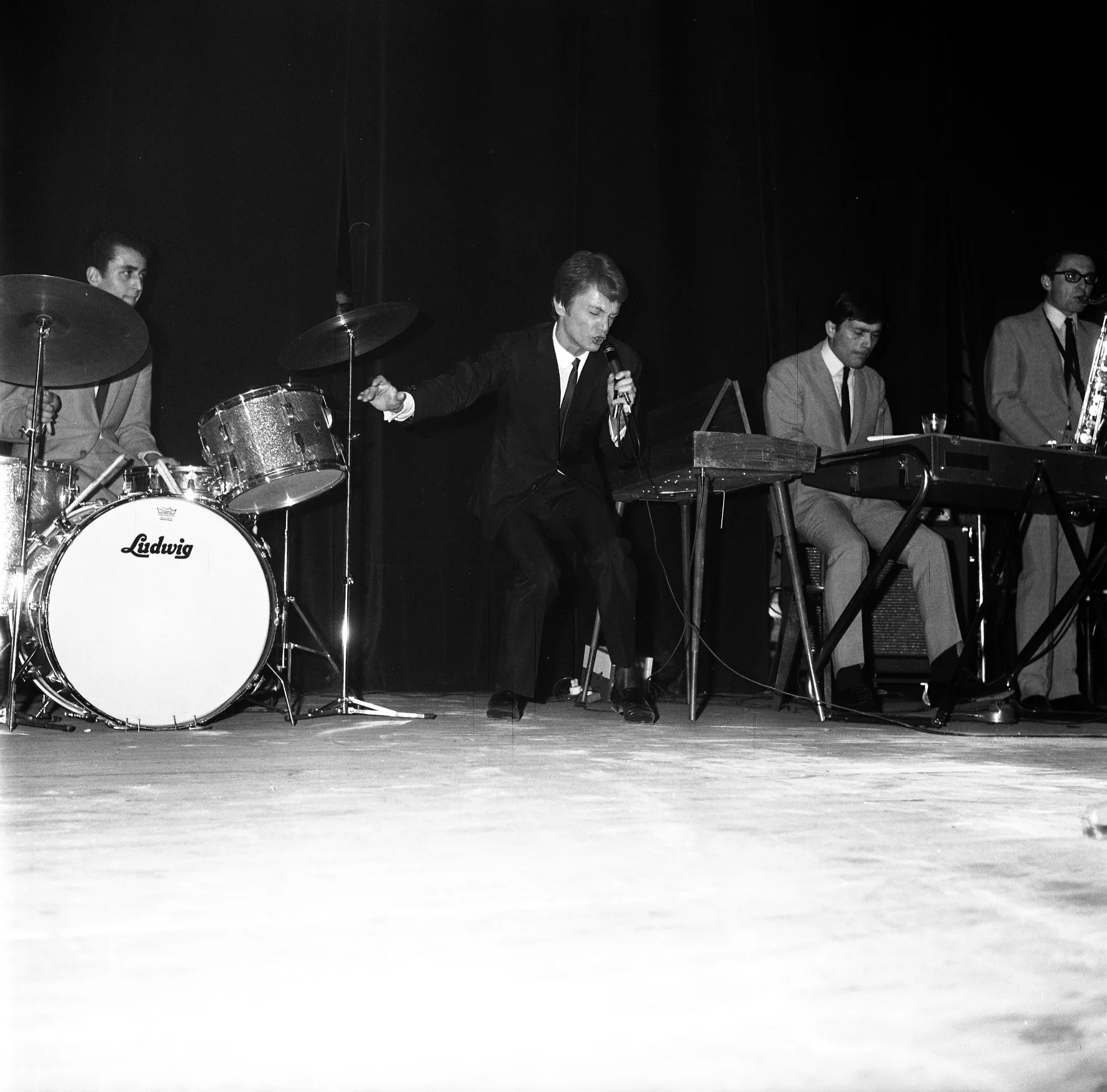

Claude François, born on February 1, 1939, in Ismailia and who died on March 11, 1978, in Paris, remains an enduring icon of the 1960s and 1970s. His career, marked by electrifying performances and a distinctive stage presence, captivated millions of fans. But beyond his music, his appearance was often discussed.
Audiences were fascinated by his charisma and stage presence. The way he moved, his clothing style and his energy helped create an unforgettable star image. Key moments in his life, such as his sold-out concerts at the Olympia in 1969 and his performance in the Tuileries Garden in 1975, reinforced that impression.
His biographical details, although public, reveal a complex personality. Claude François’s figure was more than a matter of curiosity; it was central to his public image. His appearance played a crucial role in his career, shaping his identity as a star and strengthening his status as an idol.
To learn more about the life and legacy of Claude François, you can visit his grave, where thousands of fans pay tribute to the legendary artist.
Historical context and the yéyé era
The 1960s marked a cultural turning point in France with the rise of the yéyé movement. Led by energetic young singers, it captivated audiences with catchy melodies and upbeat lyrics. The television programme Salut les copains played a key role in promoting these new talents.
The social climate of the time, shaped by a vibrant youth culture, propelled this musical phenomenon. The media, especially radio, amplified the singers’ popularity and created a strong connection between artists and their audiences. Figures such as Claude François emerged during this period, and he would become one of its icons.
| Year | Key event | Impact |
|---|---|---|
| 1962 | Beginning of the yéyé movement | Surge in record sales |
| 1965 | National tour | More than 500,000 spectators |
| 1967 | Gold record certification | Record sales |
| 1970 | International recognition | Influence on fashion |
This era redefined popular music and brought profound cultural change. Musical innovation and youthful rebellion characterised the decade, making the 1960s unforgettable for singers and their audiences.
Claude François’s origins and childhood
Born on February 1, 1939, in Ismailia, Egypt, he grew up in a multicultural setting with Egyptian and Italian roots. This diversity shaped his childhood and influenced his personality.
Family origins and life in Egypt
Born into a well-off family, he had a comfortable childhood. However, the Second World War disrupted his family’s life. His family’s expulsion in 1946 marked a difficult turning point.
He attended the French lycée in Cairo, a prestigious school. That environment shaped his early ambitions.
The impact of the Second World War on his youth
The war deeply affected his family. The hurried move brought hardship. Yet he drew on these experiences to develop resilience.
Those early years laid the foundations of his personality. The influence of his upbringing guided him towards music.
His first steps in music
Before becoming an international star, he began his artistic career modestly. The road to fame was full of challenges, but each moment marked an important step.
Beginnings in Monte Carlo and the influence of the Sporting Club
In Monte Carlo, he joined small orchestras, where he learned the basics of music. The Sporting Club played a decisive role: there he gained confidence and experience. It was where he first began to attract attention.
He started as a drummer, but his vocal talent soon came to the fore. His move from drummer to singer was a major transition. His early performances captivated audiences.
These early successes marked a turning point. They launched his career and shaped his stage persona. Every detail, every gesture and every song contributed to his distinctive image.
These experiences laid the foundations of his artistic identity. The influence of those first steps remained visible in his later performances, which brought music and showmanship together.
Claude François and his height: why did people talk about his appearance?
Claude François’s figure attracted considerable interest beyond his music. In a world where public image plays a central role, his appearance became a recurring topic of discussion.
The media and the public took a keen interest in his appearance, sometimes fuelling misconceptions. Some rumours even sparked online debate, showing just how much attention his image received.
He used that attention to build the image of an idol. His carefully prepared stage performances showcased his charisma and energy. That combination captivated millions of fans around the world.
| Aspect | Impact |
|---|---|
| Stage appearance | Strengthened his status as an idol |
| Clothing style | Influenced 1970s fashion |
| Media presence | Reinforced his public image |
The attention paid to his appearance reflected his artistic ambition and his desire to stand out in the world of entertainment. He remains an iconic figure today, proof that his image has endured.
Public image and the staging of his stature
The stage was his domain, and he created unforgettable shows on it. Every performance combined music, dance and theatre.
The role of stage performances and dancers
Claude François’s stage performances went far beyond ordinary concerts. They offered a complete artistic experience. The dancers, known as the Claudettes, played a key role in strengthening his stage presence.
- The Claudettes added a distinctive choreographic element to his shows.
- Each song was accompanied by precise movements, creating harmony between music and dance.
- Over the years, his style evolved from intense stage performances to grand tours.
These productions captivated audiences year after year, strengthening his status as an idol. His image has endured and remains emblematic of popular culture.
His media makeover and changing style
Claude François’s career took a notable turn when his public image was transformed. Orchestrated by Michel Bourdais, the change modernised his style and strengthened his status as an icon.
Michel Bourdais and Claude François’s iconic image
Michel Bourdais, an important figure in fashion history, played a central role in this transformation. His collaboration with the artist created a more sophisticated image that captivated a wider audience.
| Element | Impact |
|---|---|
| Revamped clothing style | Stronger stage presence |
| Change of look | Modernised image |
| Appearance on Boulevard Exelmans | Media recognition |
This evolution led to memorable performances, notably on Boulevard Exelmans, where his renewed charisma captivated the public. These transformations influenced his career and shaped his cultural legacy.
To learn more about the evolution of his style and his influence on popular culture, you can consult this document or visit this site for further details.
Anecdotes and scandals surrounding his appearance
The life of Claude François was marked by surprising events that often drew media attention. Some incidents, backstage or on stage, made headlines.
One notable anecdote concerns an unexpected twist during a concert: he improvised a dance to avoid a technical mishap. The gesture strengthened his image as a showman.
Accounts from people close to him also describe tense situations in his office, where heated discussions sometimes broke out. These private moments were occasionally reported in the press.
Although controversial, these events contributed to his mystique. They show an artist who could handle pressure while remaining devoted to his audience.
Managing his image and artistic legacy
Claude François’s careful management of his image shaped his artistic identity and left a lasting legacy in popular culture. His style, both on stage and in everyday life, influenced generations of artists and creators.
Influence on fashion and pop culture
His influence on 1970s fashion is undeniable. His elegant suits, carefully chosen accessories and bold hairstyles defined his era. Many contemporary dancers and singers still draw inspiration from his style, making him a timeless icon.
- He combined music and fashion to create a distinctive image that captivated the public.
- His influence can be seen in current collections, where his style continues to inspire designers.
- Contemporary dancers incorporate choreographic moves that he popularised.
Claude François’s family played a key role in preserving his legacy. His children continue to carry forward his artistic influence. Every Sunday, fans gather to celebrate his music and style.
Claude François’s collaborators attest to his artistic vision. He always sought to innovate, both in his stage performances and in his clothing choices. This dancer with infectious energy brought music and showmanship together, leaving an indelible mark on popular culture.
Today, his legacy lives on through tributes and covers of his songs. His family remains committed to promoting his work so that his influence continues for future generations. Every Sunday, his name is celebrated, a sign of his lasting influence on art and culture.
Romantic life and family relationships
Claude François’s romantic life was marked by intense relationships and marriages that influenced his public image. His partnerships shaped his personal life and affected his artistic career.
Marriages and descendants: Claude François Jr. and Marc
His marriages were media events that attracted public attention. Each union helped shape his identity, both privately and publicly.
| Event | Impact |
|---|---|
| Marriage to Janet Woollacott | Confirmed his star status |
| Birth of Claude François Jr. | Strengthened his image as a caring father |
| Marriage to Isabelle Forêt | Modernised his lifestyle |
| Birth of Marc | Consolidated his family legacy |
His children, Claude François Jr. and Marc, have played a key role in preserving his legacy. Today, they continue to promote his work and sustain his influence on the arts.
His children’s stewardship of his legacy shows unwavering dedication. Learn more about how they keep his legacy alive.
Notable collaborations and musical projects
This artist’s career was marked by memorable collaborations. Working with other talents enriched his discography and strengthened his public image.
He undertook several musical projects, including adaptations of famous songs. These recordings refreshed his style while preserving his artistic identity. His versions of certain songs marked a turning point in his career.
| Project | Year | Impact |
|---|---|---|
| Creation of the record label | 1967 | Greater artistic independence |
| Launch of the magazine | 1970 | Promotion of independent music |
| Song adaptations | 1972 | Renewed repertoire |
These initiatives cemented his status as a visionary artist and influenced music publishing at the time. His legacy, carried forward by his mother and those close to him, continues to shine.
Timeline of key events in his career
This artist’s career was marked by a series of exceptional events. Each occasion helped strengthen his star status and captivate everyone.
Tours, concerts and record-breaking success
The 1960s and 1970s were particularly rich in unforgettable concerts. Key moments included:
- 1969: First concert at the Olympia, an event that began a long series of sold-out shows.
- 1971: Creation of the Claudettes, the dancers who added a distinctive dimension to his stage performances.
- 1975: A national tour that attracted more than a million spectators, a record for the time.
These performances captivated audiences and helped strengthen his image. Every concert was a complete artistic experience, combining music, dance and theatre.
| Year | Event | Impact |
|---|---|---|
| 1962 | Beginning of the yéyé movement | Surge in record sales |
| 1967 | Creation of his own label | Greater artistic independence |
| 1970 | International recognition | Influence on fashion and culture |
These achievements reflect a career filled with success. Every person who saw him on stage retained an unforgettable memory. His legacy continues to shine, showing that he remains a timeless icon.
How public perceptions of his appearance changed
Public perceptions of his appearance changed over the years. Photographs and media stories played a key role in that shift.
Early in his career, he was seen as a youthful idol with a lively face and athletic figure. Over time, his face developed more mature features, reflecting his experience and wisdom.
| Change | Influence |
|---|---|
| Iconic photographs | Strengthened his star status |
| Media stories | Reinforced his public image |
| The face of a mature man | Impact on his artistic identity |
Accounts from people close to him reveal differing perspectives. Some point to his growing confidence, while others describe increasing pressure concerning his appearance.
This evolution reflects both physical changes and the maturing of his public persona. His image has endured and remains iconic.
Accounts and reactions from people close to him
People close to Claude François share moving accounts of his personality and career. People who spent time with him describe a man who was both charismatic and demanding. Some highlight his sense of humour, while others recall a more reserved personality.

His collaborators recall an always memorable entrance on stage. On the mornings before his concerts, he was especially focused and prepared every detail. These accounts portray a passionate artist who was also demanding of himself and others.
Some people close to him recall tender moments, particularly in the mornings, when he shared stories with his team. People who knew him intimately describe a genuine person despite the pressures of public life. These stories reveal the contrast between his public and private selves.
The influence of his image on popular culture
Claude François’s image continues to resonate in contemporary popular culture. His strength of character and distinctive style still inspire today’s artists.
Contemporary tributes and covers of his songs
Many artists pay tribute to his music and style. Covers of his songs regularly appear in many forms, from contemporary music to cinema. These appearances show how alive his legacy remains.
Films and television programmes often include his songs, reinforcing his influence. His entire body of work remains a source of inspiration for creators, evidence of his enduring strength within the industry.
The strength of his image is also evident in theatrical adaptations and exhibitions. These cultural appearances underscore the indelible mark he left on the arts.
To learn more about his artistic legacy, you can consult this document.
How the media remembers Claude François
The media continue to celebrate Claude François’s life and work through documentaries and articles. Le Figaro, for example, published a feature in 2023 highlighting his lasting influence on French music.
Documentaries, articles and commemorative events
Television documentaries have honoured his career, offering a look at his performances and cultural influence. These programmes, often broadcast in the evening, attract a devoted audience.
Press articles highlight his artistic legacy, particularly his ability to combine singing with showmanship. Some also discuss commemorative events, such as anniversary concerts, that keep his memory alive.
These media tributes play a key role in preserving his legacy and show why he remains an iconic figure in popular culture.
Conclusion
In retrospect, Claude François’s image reveals a fascinating contrast between his status as a public icon and the complexity of his private life. His style and the way he moved captivated millions of people, creating a legacy that has lasted for decades. His influence on French popular culture remains undeniable and continues to inspire today’s artists.
His stage charisma and elegant clothing still leave an impression, just as they did in his lifetime. Every detail and every gesture contributed to his distinctive image. Today, tributes and covers celebrate his work and testify to his lasting influence.
To better understand his influence, revisit his story as you usually do and discover how he combined music and showmanship, leaving an indelible mark on art and culture.
FAQ
What were the key events in Claude François’s life?
How did Claude François begin his musical career?
What was Claude François’s family life like?
How did Claude François die?
How did he manage his image despite his short stature?
What legacy did Claude François leave?
Source links
- https://en.wikipedia.org/wiki/Claude_Fran%C3%A7ois
- https://www.lefigaro.fr/histoire/archives/2018/03/09/26010-20180309ARTFIG00279-ete-1976-le-recit-de-trois-jours-de-folie-avec-claude-francois.php
- https://books.openedition.org/pum/15862
- https://shs.hal.science/halshs-03620405/document
- https://www.lefigaro.fr/cinema/2011/06/25/03002-20110625ARTFIG00004-il-etait-une-fois-claude-francois.php
- https://books.openedition.org/pur/240969
- https://fr.wikipedia.org/wiki/Son_(physique)
- https://www.lexpress.fr/culture/musique/l-ete-des-superstars_497680.html
- https://www.lexpress.fr/culture/musique/1975-en-tournee-avec-claude-francois-et-johnny-hallyday_837080.html
- https://www.sudouest.fr/culture/musique/videos-alain-chamfort-on-parle-de-la-fin-mais-avec-de-la-lumiere-19172862.php
- https://books.openedition.org/septentrion/46712
- https://www.herodote.net/Cinq_mille_ans_de_mise_en_scene-synthese-2250.php
- https://dumas.ccsd.cnrs.fr/dumas-03892977v1/file/LAMMLER_Irina_Memoire_M2.pdf
- https://www.renaissancenumerique.org/wp-content/uploads/2023/03/le_nouveau_pouvoir_des_internautes.pdf
- https://fr.wikipedia.org/wiki/Michel_Polnareff
- https://fr.wikipedia.org/wiki/Claude_(empereur_romain)
- https://carolinehoude.com/2020/12/31/artistes-et-travailleurs-culturels-avancer-et-se-developper-malgre-lincertitude/
- https://www.ecoledulouvre.fr/sites/default/files/media/document/MEMOIRE_MARCHESELLI.pdf
- https://books.openedition.org/pul/24303
- https://books.openedition.org/pur/16925
- https://books.openedition.org/editionsmsh/2552
- https://dumas.ccsd.cnrs.fr/dumas-04361858/document
- https://fr.wikipedia.org/wiki/Musique_concr%C3%A8te
- https://www.axl.cefan.ulaval.ca/francophonie/HIST_FR_s8_Revolution1789.htm
- https://musees-nationaux-malmaison.fr/chateau-malmaison/actualite/rompre-avec-un-silence-josephine-et-lesclavage
- https://books.openedition.org/pumi/6710
- https://www.persee.fr/doc/bupsy_0007-4403_1965_num_18_242_7545
- https://www.rnpc.fr/categorie-temoignage/avis-clients/
- https://fr.wikipedia.org/wiki/Michel_Sardou
- https://journals.openedition.org/rh19/157
- https://books.openedition.org/editionscnrs/8918
- https://www.persee.fr/doc/lefab_0996-6560_1997_num_9_1_991
- https://www.conseil-etat.fr/content/download/224021/file/HM%207%20-%20Conseils%20et%20conseillers%20en%20France.pdf
- https://dumas.ccsd.cnrs.fr/dumas-03467704/file/Aidjinou.pdf
- https://journals.openedition.org/terrain/2969
- https://fr.wikipedia.org/wiki/Boris_Vian