
Purpose: to answer questions about the cause of death by distinguishing verified facts from interpretations. This article draws on press reports and published biographical entries without adding medical speculation.
Janet Woollacott remains known to the wider public for her past relationship with Claude François, but she also had an artistic career of her own. We avoid reducing her to a single label.
Available information places her death in November 2011, with a slight discrepancy concerning her age at the time. Sources say she died “following an illness,” without providing any clinical details to the public.
Our editorial approach is clear: caution is necessary. We will not speculate about a diagnosis. The following sections set out the dated facts, the funeral and burial, then trace her life and career.
For more about her biography and public records, see the dedicated entry on Wikipedia.
Janet Woollacott’s cause of death: what we really know
Several press articles state, without further detail, that her death occurred in November 2011.
A consistently reported description
The wording most often used in articles is “following an illness”. It appears in several sources and is the most consistent information available.
What the sources do not specify
In journalistic terms, this wording gives a general cause when the family provides no details or no medical statement has been released.
No diagnosis, length of treatment or record of hospitalization appears in the public material consulted.
Why different accounts circulate
Variations and errors often arise when one site repeats another, from attention-grabbing headlines or from aggregators that cite no primary source.
“We must distinguish what is confirmed from what is rumor.”
- Frequent confusion about her age: 72 or 73.
- News reports repeated quickly without verification.
- Press announcements concentrated around November 2011.
| Item | What is reported | What is missing |
|---|---|---|
| Wording | “Following an illness” | Type of illness |
| Sources | Press articles | Family or medical statement |
| Timeline | Announcement in November 2011 | Details of any hospitalization |
For further biographical information and public records, see a dedicated entry on this site.
Verified facts about her death in November 2011
The entries consulted give a specific date in November 2011, while differing on a few other points. Here are the details reported by several sources.
Date and day
Sunday, November 11, 2011, is the date most often cited. The reference to Sunday appears in most of the news reports and entries published at the time.
Reported age
Most sources say she was 72 years old. Others give her age as 73.
This discrepancy may reflect errors in later accounts, rounding or confusion between completed years and the year then in progress. Such inaccuracies are common when statements are repeated quickly.
Burial place
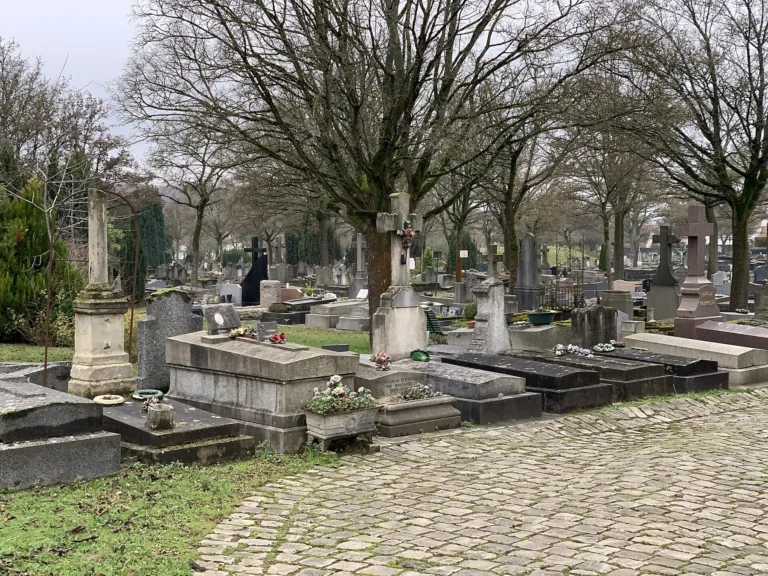
The confirmed location is Clamart Cemetery (Hauts-de-Seine), where the funeral took place on November 16.
“The published facts describe the timeline and location; they provide no medical details.”
To check these details, compare press articles, official records and funeral announcements. For biographical context, see a dedicated account such as this article.
Circumstances and available information about the funeral
Reports indicate that the funeral was held privately, without publicity or a broadcast.
A funeral held in the strictest privacy
The phrase “in the strictest privacy” appears in several articles. It suggests a wish to limit media coverage.
Burial and remembrance: what the press reported
One source gives a precise time frame: the morning of Wednesday, November 16, 2011, for the burial at Clamart Cemetery.
The press describes tributes and a few messages published in commemorative pieces. They show that people paid their respects, without identifying the guests or detailing exactly how the ceremony unfolded.
“A discreet ceremony reserved for those close to her.”
| Item | What is reported | What is missing |
|---|---|---|
| Nature | Private ceremony | Guest list |
| Date | Morning of November 16, 2011 | Exact time |
| Place | Clamart Cemetery | Official account |
The repetition of these details from site to site reflects the reuse of agency reports and the lack of direct access to the family. The privacy of the funeral also contributes to the shortage of public medical information.
Brief timeline: from Monaco to Paris, then a life in the arts
This brief timeline traces her personal and artistic journey, away from media controversies. Here are the key stages at a glance.
Meeting at the Sporting Monte-Carlo (1959)
In 1959, they met at the Sporting Monte-Carlo, a venue for shows and clubs on the French Riviera. That moment marked the beginning of a relationship that attracted media attention.
Marriage in Monaco — November 1960
The marriage took place in Monaco on November 5, 1960. This event remains central to the public account of Claude François’s life.
Move to Paris and professional development
In 1961, she moved to Paris. She worked as a dancer in ballet companies and at venues such as the Olympia. Gradually, she expanded her repertoire to include singing.
Divorce in March 1967
The divorce was finalized on March 13, 1967. This moment marked a turning point in her life and career.
“These stages explain why her name remains associated with major figures of the 1960s.”
| Year | Event | Impact |
|---|---|---|
| 1959 | Meeting at the Sporting Monte-Carlo | Beginning of her widely reported relationship with Claude François |
| November 5, 1960 | Marriage in Monaco | A central episode in her public life |
| 1961 | Move to Paris | Transition from clubs to Paris stages and a career as a dancer |
| March 13, 1967 | Divorce | Personal and artistic turning point |
For further biographical information and public records, see the dedicated entry in this tribute.
Janet Woollacott and Claude François: a relationship, a divorce and a song
Their relationship remains one of the chapters most often repeated in biographies of Claude François. This marriage, Claude François’s only one, explains why she is often described as his best-known ex-wife.
It was a youthful love in the 1960s, amid rising careers and media pressure.
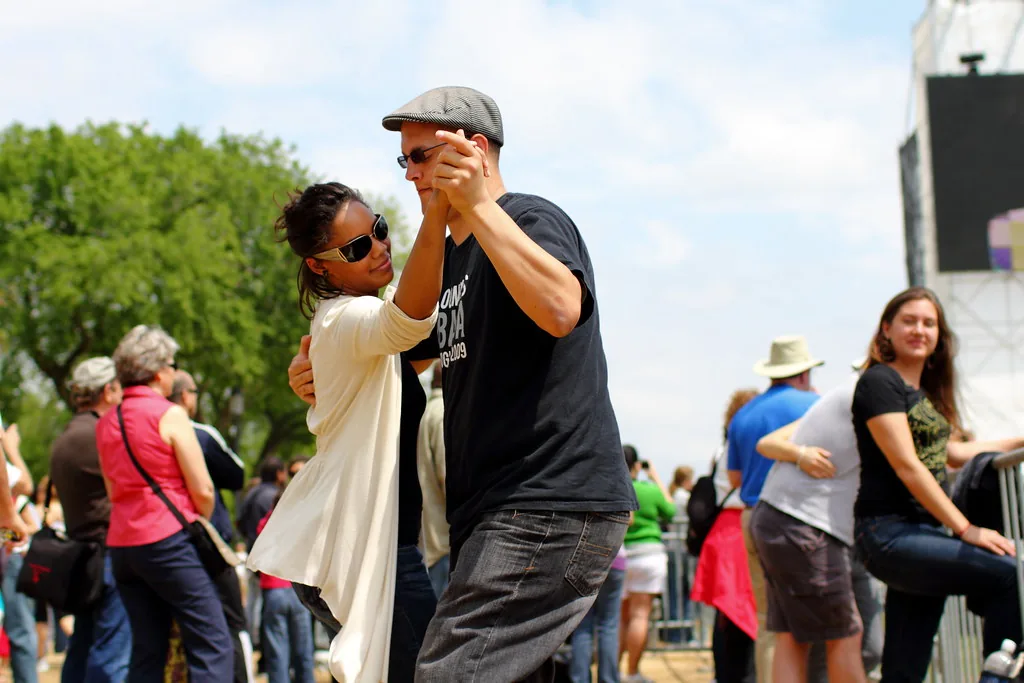
A youthful romance and his only marriage
The couple went through a period of intense media attention. The fact that it was his only marriage gives their story a central place in accounts of Claude François. Janet worked as a dancer on Paris stages, placing them both in the same artistic world.
The breakup and its artistic echo: “Je sais” (1964)
Some have interpreted the separation as inspiration for the song “Je sais” (1964). This is a plausible but unconfirmed interpretation: the transformation of private events into art is often indirect.
“Private events sometimes inspire creative work; caution is needed before attributing a song directly to them.”
| Item | Interpretation | Limit |
|---|---|---|
| Public image | His most frequently mentioned ex-wife | His only public marriage |
| Context | The 1960s, stage life and the press | Pressure and jealousy |
| Song | “Je sais” linked to the breakup | Link unconfirmed |
Relationship with Gilbert Bécaud: a new chapter and a daughter, Jennifer
The year 1962 marked a period when stage life and private life intersected. Hired as a dancer at the Olympia, she met Gilbert Bécaud. Their proximity backstage and during rehearsals helped bring about a relationship reported by several sources.
Meeting at the Olympia in 1962: from dancing to romance
They met through performances. Their regular appearances at shows and on tours gave them opportunities to spend time together professionally.
Several accounts say the relationship lasted a few years; some entries estimate four years.
Jennifer Bécaud, born in 1968: a lasting connection
The most tangible fact is the birth of a daughter, Jennifer, in 1968. Her birth places their relationship within a family history that continues to appear in biographical entries.
“The people involved were well known, which explains why this story regularly reappears in celebrity and cultural coverage.”
Artistically, this period was shaped by professional networks, performances and tours. For information about Gilbert Bécaud’s grave and related details, see the dedicated entry: Gilbert Bécaud’s grave.
After the Cloclo years: marriages, music and collaborations (Dominique Perrier)
Life after Cloclo reveals a rich professional career, with recordings and new collaborations.
She turned to singing and recorded several songs mentioned in the press, including “Bénie soit la pluie” and “Le chocolat.” These tracks show her wish to diversify her career beyond dancing.
A career beyond dancing: songs and recordings
The recordings confirm that she remained active in music for several years. Her studio work illustrates her search for an artistic identity of her own.
Private life and successive relationships: what is known about the people mentioned
Public entries mention several unions and names. Those named include Jean-Paul Barkoff, Jean Sarrus and Dominique Perrier.
Musical collaborations should be distinguished from a person’s status as a husband in the sources, without drawing conclusions beyond the published accounts.
A memoir: “Claude François, les années oubliées” (1998)
The memoir Claude François, les années oubliées appeared in 1998. It is useful to fans and researchers seeking to put certain episodes into context.
“Her public statements helped sustain interest in her artistic life and her connections with major performers.”
| Aspect | Reported details | Limits |
|---|---|---|
| Songs | “Bénie soit la pluie,” “Le chocolat” | Few audio archives are publicly accessible |
| Collaboration | Work with Dominique Perrier | Few production details |
| Private life | Successive unions and people named | Lack of official confirmation |
For another biographical account, see this detailed entry about her life and collaborations.
Conclusion
In conclusion: public sources use the phrase “following an illness” without giving medical details. That lack of detail makes it impossible to confirm a diagnosis.
The practical details agree: an announcement in November 2011, a private funeral and burial at Clamart Cemetery. The reported age varies between accounts: 72 or 73 years.
Favor information confirmed by multiple sources and be wary of pages without citations. Her connections with Claude François and Gilbert Bécaud explain public interest, without obscuring the fact that she was also a dancer and an independent artist.
When citing these facts, use the exact wording, dates and place. No diagnosis had been made public at the time of her death.