
Introduction. This biographical profile draws on public sources. It brings together identifying details, key dates, places and artistic circles connected with the singer’s life.
Purpose. The article aims to establish reliable information about her birth and family roots with appropriate caution, while showing how her path developed through dance, song and encounters on stage.
It offers an overview of the key stages: her origins in the United Kingdom, her arrival on the French Riviera, her time in Paris and at the Olympia, and her later stage career and collaborations.
The information comes from public biographies, the cultural press and reference entries. Some aspects remain poorly documented, however.
The article covers her identity and family roots, her beginnings, the meeting at the Sporting Monte-Carlo, her marriage to Claude François, her relationship with Gilbert Bécaud, and her solo career and musical collaborations.
Why does her name come up so often? It is associated with a famous marriage, a publicly acknowledged daughter and musical work with artists such as Dominique Perrier.
Janet Woollacott: birth date and origins, what we know
This section presents the essential dates and places in her life.
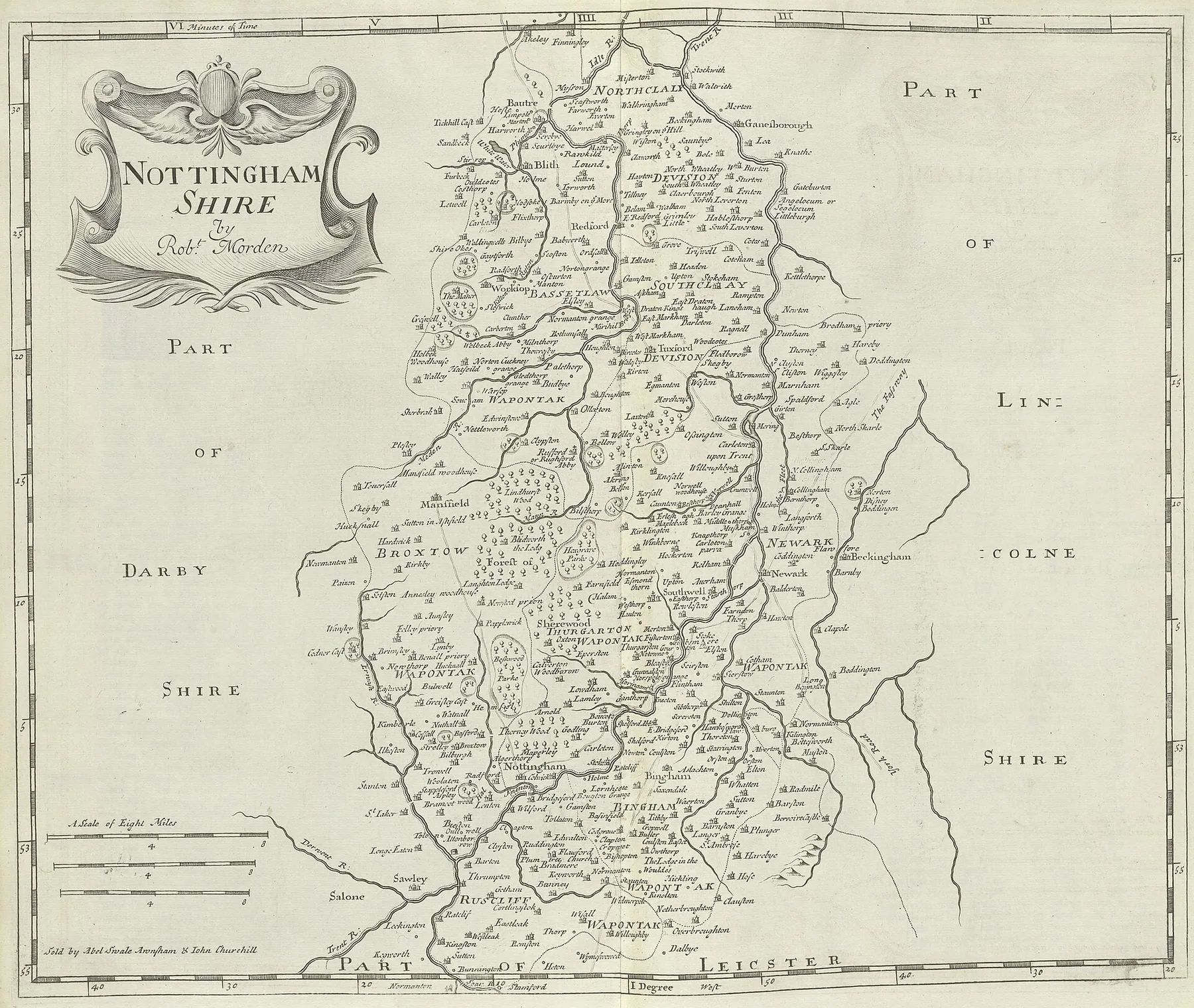
Birth: born on November 4, 1939, in Carlton, Nottinghamshire, United Kingdom, she was named Janet Edith Woollacott at birth. This detail helps prevent confusion during research.
Identity and nationality: British by origin, she later became known chiefly in France’s entertainment world, first as a dancer and then as a singer.
Death and burial
She died on November 11, 2011, in Clamart, Hauts-de-Seine, at the age of 72. Readers often search for her burial place.
She is buried in Clamart Cemetery, a place of remembrance for those who follow her career.
| Item | Detail | Notes |
|---|---|---|
| Date of birth | November 4, 1939 | Carlton, Nottinghamshire, United Kingdom |
| Full name | Janet Edith Woollacott | Official spelling used in reference entries |
| Date of death | November 11, 2011 | Clamart, Hauts-de-Seine, aged 72 |
| Burial place | Clamart Cemetery | A place of remembrance open to the public |
For more biographical information, see the Wikipedia entry, which draws together several public sources.
Family origins and first steps in entertainment
Janet Woollacott was the daughter of Leonard Arthur Woollacott and Clarice Edith Burton. These family details provide public reference points for tracing her life and supporting biographical research.
From Carlton to the French Riviera, she took her first steps on stage in local clubs and cabarets. She began working as a dancer at an early age and learned from the ensembles and small orchestras that performed along the coast.
This club work gave her practical experience. She performed as a dancer in venues where musicians and booking agents crossed paths. This environment became a springboard for her.
| Item | Detail | Effect on her career |
|---|---|---|
| Parents | Leonard Arthur Woollacott and Clarice Edith Burton | Family records and British origins |
| Setting | French Riviera clubs | Stage training and professional contacts |
| Initial role | Dancer | Springboard to the Olympia and later collaborations |
This period on the French Riviera shows how the local stage and orchestra prepared the way for the pivotal meeting that followed.
Dancing on the French Riviera and a pivotal meeting at the Sporting Monte-Carlo
The French Riviera gave the dancer a place to learn and make important connections.
The Sporting Monte-Carlo played a central role: it offered a prestigious stage, an international audience and a resident orchestra. Working with this ensemble brought her visibility and discipline.
The Sporting Monte-Carlo and its orchestra: an artistic springboard
The pace of the shows and her close contact with musicians helped her master the conventions of the profession. Frequent rehearsals and shared performances provided a real education.
Meeting Claude François in 1959
In 1959, she met Claude François, then a drummer. This meeting marked the beginning of an important personal and professional connection.
From cabaret to major stages: Paris and the 1960s
On the advice of Sacha Distel and Brigitte Bardot, the couple moved to Paris in 1961, settling in the Montmartre neighborhood.
The yé-yé scene of the 1960s opened up new prospects. This period in Paris would later help her reach major venues and significant collaborations.
- Key points: the Sporting Monte-Carlo gave her visibility.
- Her meeting with Claude François in 1959 marked a turning point in her life.
- Her arrival in Paris in 1961 opened up new prospects for the years ahead.
Janet Woollacott, Claude François’s only wife: marriage, separation and divorce
The ceremony in Monaco began a period that would soon be marked by a turbulent relationship.
Marriage details: the wedding took place on November 5, 1960, at Monaco City Hall. The witnesses were Rolland Chakour and Renaud Schulze. The couple moved to Paris in 1961, settling in Montmartre.
A relationship marked by jealousy
People close to them described their married life as tense. Jealousy and strong possessiveness weighed on their daily lives.
These factors partly explain the couple’s gradual estrangement and their difficulty maintaining a stable life together.
Separation and divorce
The couple gradually separated. Their divorce was officially granted on March 13, 1967. That date marked the legal end of their marriage. Janet Woollacott remained the only woman Claude François ever married.
Cultural echoes and remembrance
The song “Je sais” (1964) frequently appears in accounts of this period, although no direct connection has been established. It appears there as a symbol invoked in collective memory.
The account published in Claude François, les années oubliées (1998) helps illuminate those years before turning to the Olympia and the rest of her career. Learn more
| Item | Specific detail | Comments |
|---|---|---|
| Wedding date | November 5, 1960 | Monaco City Hall; witnesses: Rolland Chakour and Renaud Schulze |
| Move | Paris, Montmartre (1961) | Entry into the Paris entertainment world |
| Divorce date | March 13, 1967 | Legal end of a relationship marked by tensions |
| Associated song | “Je sais” (1964) | Often cited in accounts of the breakup |
Gilbert Bécaud, the Olympia and the birth of Jennifer Bécaud
It was on the Olympia stage that an artistic connection formed with one of France’s leading singers. In 1962, she worked in Arthur Plasschaert’s ballets, where she met Gilbert Bécaud.
Meeting in the ballets in 1962
Her regular presence at rehearsals and performances encouraged conversation. The ballets provided a professional setting where dancers and artists could meet.
A widely reported episode in September 1964
In September 1964, an often-cited episode showed a cordial trio: Bécaud and Janet Woollacott went to congratulate Claude François, who was then involved with France Gall. The scene illustrates how these artists coexisted without sensationalism.
A daughter born in 1968
In 1968, their daughter, Jennifer Bécaud, was born. She would later become the singer known as Jennifer Kay.
Length and end of the relationship
The relationship with the singer lasted about four years. According to public sources, it ended without any notable controversy.
| Event | Year | Note |
|---|---|---|
| First meeting at the Olympia, in the ballets | 1962 | Professional meeting with Gilbert Bécaud |
| Widely reported congratulatory visit | September 1964 | Public encounter involving France Gall and Claude François |
| Birth of their daughter | 1968 | Jennifer Bécaud, later Jennifer Kay |
| Length of the relationship | About four years | End without notable controversy in public sources |
This period connects her life to two major figures in French popular song and helps explain part of her fame. For more information, see the profile of Gilbert Bécaud.
Singing career and collaborations: from “Bénie soit la pluie” to Dominique Perrier
Her musical career resumed in the 1970s and 1980s, adding a new dimension to her stage work. After many years as a dancer, she became a singer and recorded several solo songs.
Among her most sought-after songs are “Bénie soit la pluie” and “Le chocolat”, two representative titles from her solo period. Fans of French popular song still cite these recordings.
In 1970, under the name Janet, she released duets with Jean Sarrus: “Je t’aime… normal” and “Super-gangsters.” This collaboration took place within a circle connected to Les Charlots.
In 1985, she contributed “Mama” and “The Dream” to the soundtrack of the film Adieu blaireau, extending her work into cinema.
Her professional and personal relationship with Dominique Perrier led to joint work: contributions to Space Art on Play Back in 1980 and Tribute in 2011, followed by the Stone Age project from 1994 onward.
Her private life intersected with her artistic career: her successive marriages to Jean-Paul Barkoff, then Jean Sarrus and finally Dominique Perrier, reflect the links between personal relationships and collaborations.
To learn more about the given name, see the entry for Janet.
| Title | Year or period | Collaborator | Note |
|---|---|---|---|
| Bénie soit la pluie | 1970s | Solo | A notable song from her solo period |
| Le chocolat | 1970s | Solo | A song frequently associated with her discography |
| Je t’aime… normal and Super-gangsters | 1970 | Jean Sarrus | Duets released under a shortened name, with a connection to Les Charlots |
| Mama and The Dream | 1985 | Bob Decout, for the film | Soundtrack of Adieu blaireau |
Conclusion
: these are the verifiable milestones of a career that moved from dance to song.
Janet Woollacott was born in the United Kingdom and built her artistic life on the French Riviera and then in Paris. Her status as the only wife of Claude François has often drawn attention.
Her work as a dancer at the Sporting Monte-Carlo and on the Olympia stage prepared her for a solo career. Public sources document notable songs and a collaboration with Dominique Perrier.
Her death in Clamart in November 2011 marked the end of her life. Where accounts differ, readers wishing to investigate further should compare civil records, press archives and discographies.