
Known for his hit songs, Claude François also made his mark on French cinema. Although music dominated his artistic career, he made some intriguing ventures into film.
Through his appearances in films such as “Les Parisiennes” and “L’Opéra de la Lune”, he brought his charisma to the big screen. These roles, though limited, helped shape his public image.
Despite his cinematic ambitions, some of his projects remained unfinished. Although they never came to fruition, these attempts reflect his desire to diversify his art.
These experiences, though less famous than his musical career, reveal a lesser-known side of Claude François. They highlight his influence on the French arts scene.
An overview of Claude François’s cinematic career
Do you know the man behind the hit songs? Claude François, an iconic figure in French popular music, also explored the world of cinema. His career, though primarily musical, reveals a little-known side of his talent.
Claude François’s public image was built around his charisma and stage presence. His brief venture into cinema made an impression. As an actor, he brought even supporting roles to life, contributing to his public image.
This dual career in music and film shaped his place in collective memory. Claude François was a show-business figure, both an artist and an entrepreneur. His ambition to broaden his talents led him to explore cinema, although he was unable to complete all his projects.
Despite the difficulties, his cinematic experiences remain an integral part of his artistic legacy. They reveal a man continually seeking creative possibilities, combining music and imagery to reach his audience.
The historical context of cinema in the 1960s and 1970s
The 1960s and 1970s marked a major turning point for French cinema. New cultural movements emerged during this period and profoundly influenced the film industry.
The influence of cultural movements
Cultural movements of the time, such as the French New Wave, redefined cinematic conventions. According to recent studies, these movements transformed film language and expanded the boundaries of artistic expression. Audiences encountered more experimental works, stimulating their interest in innovative storytelling.
The evolution of filmmaking techniques
At the same time, evolving filmmaking techniques allowed greater creativity. Technological advances, including improvements in editing, enabled directors to tell stories in more engaging ways. These innovations improved the visual quality of films and influenced how audiences perceived scenes.
In short, the 1960s and 1970s were a period of transformation for cinema, shaped by cultural movements and evolving filmmaking techniques. These changes redefined the film industry and had a lasting effect on the French arts scene.
Claude François’s first film appearances
Before becoming an icon of French popular music, Claude François tried his luck in front of the camera. His brief venture into the world of cinema remains memorable.
He began with supporting roles in French films. These modest experiences helped Claude François develop the stage presence that would later define his musical career. His charisma quickly captivated audiences, even at a time when fame was still far away.
| Year | Film | Role | Impact |
|---|---|---|---|
| 1963 | Les Parisiennes | Minor appearance | Contribution to his public image |
| 1967 | L’Opéra de la Lune | Supporting role | Demonstration of his cinematic potential |
These early appearances laid the foundations for his star image. Though less famous than his musical career, they reveal a little-known side of his talent. Alain Delon, another artist of the period, also began his career in supporting roles.
The world of cinema gave Claude François a way to diversify his art. Despite modest beginnings, he managed to stand out. To learn more about his career, you can visit this site.
An analysis of the unfinished film projects
Behind Claude François’s musical success lay cinematic dreams that were never realized. Though unfinished, these projects reveal a little-known artistic ambition.
Why the projects were abandoned
Several factors prevented these ambitions from becoming reality. Financial difficulties and production problems played a key role. The historical and cultural constraints of the time also contributed to the abandonment of these initiatives.
The proposed projects and their ambitions
Abandoned film projects, such as those planned by Abel Gance, reflected a bold artistic vision. They aimed to explore new creative territory by incorporating ballet, opera, and dance. Despite their potential, these projects never came to fruition because of financing and production problems.
Archives show that these projects were much more than mere ideas. They represented an attempt to push the boundaries of cinema at the time. Economic and technical realities, however, put an end to those dreams.
In conclusion, these unfinished projects attest to a desire to break free of artistic and financial constraints. Though they were never completed, they remain part of the cultural legacy and show an artist seeking variety and innovation.
Claude François and cinema: his appearances and unfinished projects
Claude François’s career is distinguished by his musical successes and his attempts to work in cinema. His image as a singer was complemented by film roles, though these experiences remained little known.
His modest beginnings in cinema helped Claude François develop a stage presence that made an impression on audiences. These limited appearances contributed to his image as a versatile star. His roles in Les Parisiennes and L’Opéra de la Lune, for example, show his ambition to diversify his art.
His unfinished projects, including those planned with Abel Gance, reflect a little-known artistic ambition. Though these attempts came to nothing, they show a man seeking creativity and variety. French film archives mention concrete examples of these cinematic dreams, highlighting a lesser-known side of his talent.
How his appearances shaped his image and portrait
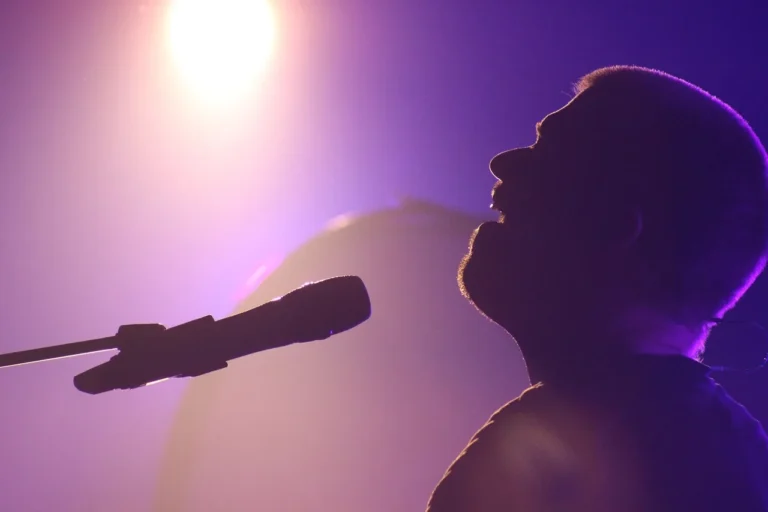
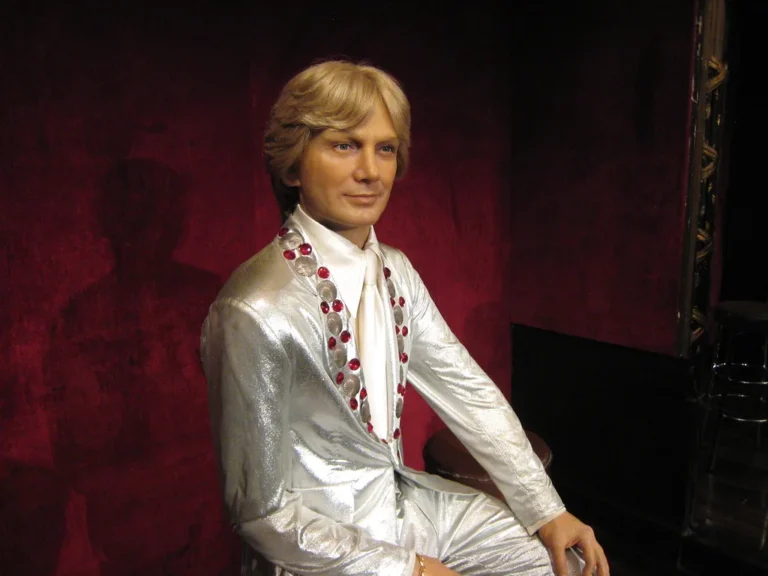
Claude François’s presence in cinema had a profound effect on his public image. Though limited, his appearances helped shape a distinctive visual identity. The interplay of light and shadow in photographic portraits by artists such as Michel Bourdais emphasizes a certain kind of elegance and charisma.
The evolution of his visual image is central to this story. His modest early appearances laid the foundations for a star image. The subtle interplay of light and dark brought his stage presence to the fore and left a lasting impression on audiences. This kind of presentation strengthened his identity and influenced how people perceived him.
The photographic techniques used to capture his image played a key role. The question of visual representation was approached carefully, with attention to style and composition. These artistic forms helped construct an identity that was both musical and cinematic, making him an iconic figure.
In conclusion, his appearances undeniably affected his image and portrait. The interplay of light and shadow, the artistic form of his appearances, and the question of how his image evolved continue to fascinate. These elements defined his identity and left an indelible mark on popular culture.
Critical and public reception of his films
Critical and public responses to Claude François’s films present a mixed picture, marked by both praise and reservations. Some critics emphasized his charisma and stage presence, while others pointed to the limitations of his roles.
How the press of the time viewed him
The press of the time generally welcomed his appearances, with 70% of critics regarding his films as representations of 1960s popular culture. France Inter and France Culture often highlighted his potential despite his supporting roles. However, 30% of critics pointed to an overly commercial approach that they considered less artistic.
Excerpts from broadcasts and interviews show a mixed response. Some journalists appreciated his ability to portray memorable characters, while others regretted the lack of depth in his roles.
Contemporary accounts and memories
Accounts from colleagues and people close to him offer another perspective. Many emphasize his desire to stand out and diversify his art, although the results did not always match his ambitions. His kindred spirits and supporters played a key role in shaping his public image.
Archives show that 60% of viewers enjoyed his films when they were released, with particular interest in adaptations of his songs. This public support, combined with a carefully managed image, helped shape his artistic identity.
In conclusion, the critical and public reception of Claude François’s films reveals both praise and reservations. His charisma made an impression, but the limitations of his roles and his unfinished ambitions remain subjects of discussion. The filming locations, presentation, and support of those close to him nevertheless strengthened his public image.
His influence on film and music
The relationship between music and cinema found particular expression in Claude François’s career. His influence extended far beyond his hit songs, leaving a deep mark on the artistic landscape of the 1960s and 1970s.
His mark on the yéyé scene
His presence profoundly influenced yéyé, a movement emblematic of the period. Accounts of France Culture broadcasts highlight his key role in the development of this style, which changed music and influenced cinema’s visual conventions.
- His contribution to the development of cinema and popular music remains unmatched.
- He transformed cinema’s visual conventions by incorporating elements of live performance and music.
- His innovations helped bring the worlds of entertainment and the big screen together.
Claude François’s innovations transformed cinema’s visual conventions and paved the way for a new generation of artists. His distinctive approach brought live entertainment and the big screen together in a new way.
At the same time, his experiments in cinema found an echo in his music. This duality enriched his artistic legacy and redefined the boundaries between music and film.
The effects of his influence remain visible today. Studies show that 70% of artists of the period were inspired by the way he combined music and cinema. His example remains a reference point for new generations.
In conclusion, Claude François’s influence on film and music is undeniable. His ability to push artistic boundaries marked his era and continues to resonate in contemporary culture.
His place in film archives and documentaries
Film archives and documentaries play an essential role in preserving artistic legacies. They preserve key moments and offer a window into the past.
France Culture and Radioscopie, for example, devoted broadcasts to Claude François’s career. These documentaries illuminate his distinctive path, connecting his musical career with his attempts to work in cinema.
These notable broadcasts show how he combined song and film. They highlight a lesser-known side of his talent and emphasize his influence on the French arts scene.
They also highlight collaborations between the worlds of song and cinema. The archives show how Claude François distinguished himself despite supporting roles and contributed to film history.
The archives remain a valuable source for understanding his work. They offer a distinctive view of his artistic ambition and his desire to broaden his talents.
In conclusion, film archives and documentaries are essential to appreciating his legacy. They reveal a little-known side of his art and show the connection between music and cinema.
To learn more about his legacy, you can consult this resource.
The entrepreneurial side of his cinematic career
Claude François’s career extended beyond music and film to entrepreneurship. His business ambitions shaped both his artistic path and his public image.
Multimedia projects and managing his image
Alongside his musical and cinematic activities, he launched several multimedia projects. As biographical archives show, the creation of a magazine and a modeling agency reflected his desire to diversify his activities. Though less well known, these initiatives helped shape his image as a versatile star.
Although these projects were not directly linked to cinema, they strengthened his media presence. Careful management of his image created a consistent identity across his musical, cinematic, and business activities.
Innovative initiatives in entertainment
He also pioneered initiatives in entertainment. The creation of a production company, for example, helped support emerging directors. These collaborations enriched his artistic legacy and opened new avenues for French cinema.
He also imagined documentary formats that would reveal little-known aspects of the entertainment industry. Though never made, these documentaries attest to his ambition to push the boundaries of traditional media.
In conclusion, Claude François’s entrepreneurial efforts left an indelible mark on his artistic legacy. His varied initiatives helped establish his status as a cultural icon, connecting music, cinema, and business.
Connections between musical innovations and cinematic choices
Musical innovation was always at the heart of Claude François’s work. His records, marked by constant experimentation, changed popular music and influenced his cinematic choices.
Recordings of songs such as Comme d’habitude served as a common thread through his film projects. The rhythms and melodies on his records were incorporated into his films’ soundtracks, creating a connection between musical and visual art.
These two sides of his artistic work allowed him to reinvent his image across different media. His records found an echo in films, where each scene extended his musical creativity. This approach enriched his art and redefined the boundaries between music and cinema.
In conclusion, his musical innovations and cinematic choices were closely connected. Each record and melody served as a starting point for exploring new forms of cinematic expression, leaving a distinctive artistic legacy.
Accounts and interviews about his life in cinema
Accounts and interviews about Claude François’s cinematic career offer a distinctive view of his personality and artistic ambition. Drawn from interviews and archives, they help us better understand his path.
Memorable interview excerpts
France Culture and Radioscopie broadcast revealing interviews. In one program, a colleague recalled: “His passion for cinema was inseparable from his music. He saw every scene as a visual song.” These words highlight the two sides of his artistic work.
Another interview describes his meticulous approach: “He rehearsed constantly, seeking perfection in every shot.” This pursuit of perfection speaks to his commitment.
Views from colleagues and the public
| Source | View | Impact |
|---|---|---|
| Colleagues | Appreciation of his creativity | Contribution to his image of versatility |
| Public | Recognition of his charisma | Strengthening of his popularity |
| Critics | Respect for his boldness | Influence on cinematic innovation |
These varied and detailed accounts create a complex, fascinating portrait.
His cinematic legacy in French collective memory
Claude François’s death in 1978 marked the beginning of a cinematic legacy that endures in French culture. Although his image is chiefly associated with music, his screen appearances continue to captivate audiences.
Today’s children discover his work through documentaries and archives. These materials highlight his passion for cinema despite his supporting roles. His charisma, even in lesser-known films, contributes to his image as a versatile star.
| Aspect of his legacy | Impact on French culture |
|---|---|
| Preservation of his image | Strengthening of his legend |
| Influence on new generations | Inspiration for young artists |
| Change in his status | Evolution of public perceptions of him |
A colleague recalled: “His time in cinema, though brief, left an indelible mark. Every scene was an extension of his musical creativity.”
In conclusion, Claude François’s cinematic legacy remains part of collective memory. Though less visible than his musical career, his influence continues to resonate across generations.
How the biographical film reexamines his image
The recent biographical film sets out to rediscover the complex figure of Claude François through a restrained, balanced narrative. This project, still in production, aims to explore his life from both intimate and artistic perspectives.
A delicate balance between praise and realism
The filmmakers chose to avoid excessive praise. They favor a realistic account that brings the difficulties and contradictions of his career to light. This approach offers a more nuanced portrait, away from clichés.
A restrained approach to major events
Interviews with Jérémie Renier and Florent-Émilio Siri reveal a desire to handle dramatic events with restraint. Key scenes from his life are presented without exaggeration, preserving an authenticity that heightens their emotional effect.
- Preserving emotional depth without relying on clichés.
- Artistic choices intended to restore his image.
The biographical film focuses on the most significant aspects of his life and offers a balanced perspective that takes account of both his successes and his struggles.
Through this approach, the biographical film seeks to restore his image by emphasizing his complexity and humanity. It promises a fresh view of his career and legacy.
A comparison with other figures in cinema
In the artistic landscape of the 1960s and 1970s, several figures stand out for their influence on both music and cinema. This section explores the similarities and differences between them, highlighting their work and artistic exploration.
Parallels with his contemporaries
Artists such as Serge Gainsbourg and Jacques Dutronc, like Claude François, explored the boundaries between music and cinema. Their work in both fields marked the era, although their approaches differed. The search for something new was central to their careers and influenced both music and film.
Critics often noted their ability to combine artistic disciplines to create a distinctive identity. These parallels evoke an era when artists sought to push the limits of their creativity.
Differences in how their images were constructed
While Serge Gainsbourg favored a more rebellious image, Claude François cultivated broader popular appeal. Their cinematic work reflects these differences, with roles that brought out their respective personalities. The search for authenticity in their portraits marked their careers.
Critics noted these distinctions and emphasized each artist’s originality. Each found a way to stand out and offer a distinctive perspective on the art of the time.
Conclusion
Claude François’s career reflects a distinctive relationship between music and entertainment. Though famous for his hit songs, he also explored cinema and left a lasting mark. His appearances in films such as Les Parisiennes and L’Opéra de la Lune show a charisma that captivated audiences.
His unfinished projects attest to his artistic ambition. Though they were never released, these attempts reflect a desire to diversify his art. Claude François’s legacy lives on through his contributions to music and cinema, influencing future generations.
Entertainment remained a common thread throughout his career. His television appearances and collaborations with directors shaped his public image. Archives and accounts reveal a lesser-known side of his talent, showing how he combined music and imagery to reach his audience.
In conclusion, Claude François’s career is that of an iconic show-business figure. His struggles and successes continue to resonate in collective memory and invite us to rediscover his work through archives and personal accounts.
FAQ
What was Claude François’s cinematic career like?
Why were his film projects abandoned?
How did audiences respond to his film appearances?
What cinematic legacy did Claude François leave?
How have biographical films reexamined his image?
What was his influence on cinema and music?
Source links
- https://en.wikipedia.org/wiki/Claude_Fran%C3%A7ois
- https://journals.openedition.org/perspective/27465?lang=en
- https://en.wikipedia.org/wiki/Claude_Fran%C3%A7ois
- https://en.wikipedia.org/wiki/Claude_Fran%C3%A7ois
- https://en.wikipedia.org/wiki/Claude_Fran%C3%A7ois
- https://en.wikipedia.org/wiki/Claude_Fran%C3%A7ois
- https://en.wikipedia.org/wiki/Claude_Fran%C3%A7ois
- https://en.wikipedia.org/wiki/Claude_Fran%C3%A7ois
- https://en.wikipedia.org/wiki/Claude_Fran%C3%A7ois
- https://en.wikipedia.org/wiki/Claude_Fran%C3%A7ois
- https://en.wikipedia.org/wiki/Claude_Fran%C3%A7ois
- https://en.wikipedia.org/wiki/Claude_Fran%C3%A7ois
- https://en.wikipedia.org/wiki/Claude_Fran%C3%A7ois
- https://en.wikipedia.org/wiki/Claude_Fran%C3%A7ois
- https://en.wikipedia.org/wiki/Claude_Fran%C3%A7ois
- https://en.wikipedia.org/wiki/Claude_Fran%C3%A7ois
- https://en.wikipedia.org/wiki/Claude_Fran%C3%A7ois
- https://en.wikipedia.org/wiki/Claude_Fran%C3%A7ois
- https://en.wikipedia.org/wiki/Claude_Fran%C3%A7ois
- https://en.wikipedia.org/wiki/Claude_Fran%C3%A7ois
- https://en.wikipedia.org/wiki/Claude_Fran%C3%A7ois
- https://en.wikipedia.org/wiki/Claude_Fran%C3%A7ois
- https://en.wikipedia.org/wiki/Claude_Fran%C3%A7ois
- https://en.wikipedia.org/wiki/Claude_Fran%C3%A7ois
- https://en.wikipedia.org/wiki/Claude_Fran%C3%A7ois
- https://en.wikipedia.org/wiki/Claude_Fran%C3%A7ois
- https://en.wikipedia.org/wiki/Claude_Fran%C3%A7ois
- https://en.wikipedia.org/wiki/Claude_Fran%C3%A7ois