
Central question: the famous singer’s separation still raises questions. There is no doubt that the couple were together, but some details vary between sources.
A popular figure, Claude François has had his private life scrutinized. This article takes a factual approach, drawing on archives and testimonies.
His only wife was Janet Woollacott, whom he married on 5 November 1960 in Monaco. Here is the reported timeline: they met in the late 1950s, married in 1960, moved to Paris in 1961, reached a turning point at the Olympia in 1962, experienced tensions and a reconciliation in 1964, and formally separated in 1967.
The aim is clear: to distinguish established facts (the marriage, the Olympia career, ties with Gilbert Bécaud) from disputed points (the exact date the divorce was granted). For more biographical details, see this dedicated profile.
Aim: to explain what is certain, probable or uncertain, without embellishment.
Claude François and Janet Woollacott’s divorce: myth or reality? What the sources say
Approach: we compared press articles, reference entries and biographical accounts to separate certainties from contradictions.
One established point: Janet Woollacott is the only woman officially married to Claude François. The date of their marriage in Monaco, 5 November 1960, is the same across the sources.
The date on which the divorce was “finalized” varies according to the type of document. Some texts cite 13 May 1967 in an isolated reference. Others, including biographical entries, give 13 March 1967 as the date it was granted.
One possible explanation is that “finalized” may refer to the start of proceedings, the court’s ruling or a later registration. This distinction could explain the difference of a day or several months between the dates cited.
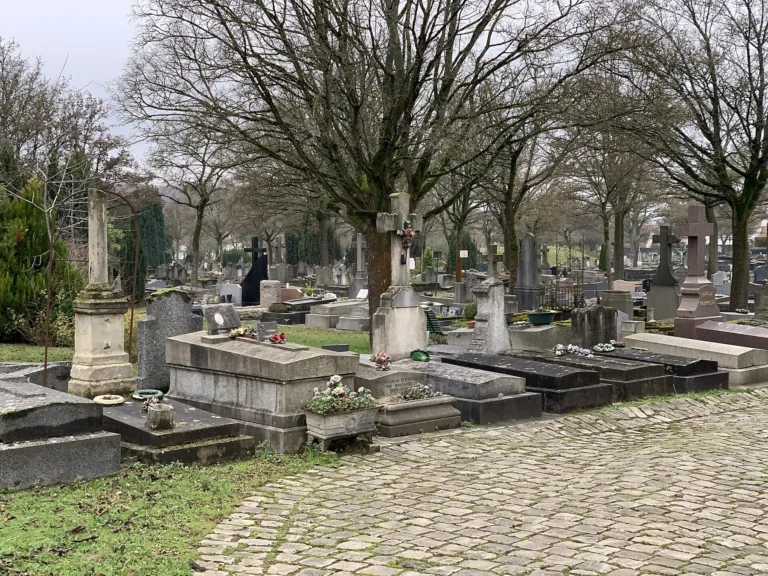
To be cautious, we present both dates and place each claim in context. For an additional burial reference, see Claude François’s grave.
From beginnings on the French Riviera to Monaco: meeting, love and marriage
At the Sporting Monte-Carlo, an English dancer performed with the season’s ballets and orchestra. It was there, in 1959, that the two met in an encounter that shaped their lives.
In the late 1950s, the young musician played drums and dreamed of a career. The fame he would later achieve was still far away.
The relationship developed during nights in Monaco, amid performances, rehearsals and an orchestra setting where people could quickly grow close. It was a youthful story of love, without excessive romantic embellishment.
The wedding took place on 5 November 1960 at Monaco’s town hall. The witnesses included Rolland Chakour and Renaud Schulze, useful details for establishing the timeline.
In 1961, the couple moved to Paris to pursue their artistic ambitions. Their early years were difficult, with modest housing and demanding schedules. Some biographies describe emerging jealousy that weakened the marriage.
“We were two young people looking for opportunities; the nights offered hope, while the days brought us back to reality.”
| Year | Event | Place |
|---|---|---|
| 1959 | Meeting at the Sporting, with the orchestra performing | Monaco |
| 5 November 1960 | Civil wedding, with identified witnesses | Monaco town hall |
| 1961 | Move to Paris, tensions and new opportunities | Paris |
For a full biography and more detail on this period, consult contemporary sources.
Separation, the Olympia and Gilbert Bécaud: the story behind the split
In 1962, Janet Woollacott’s engagement as a dancer at the Olympia placed her at the heart of show business. The job brought her into contact with leading figures in the profession.
1962 and the stage
In 1962, her work in Arthur Plasschaert’s ballets marked the start of a new path. The closeness of backstage life changed the nature of their relationships.
Attraction and choices
Gilbert Bécaud, then separated, began a relationship with her that caused strong emotions. Her decision to leave with him created tensions with Claude François.
September 1964: the dressing room
In September 1964, an Olympia dressing room became the setting for a reconciliation. Bécaud and the dancer congratulated the singer, while France Gall was part of his romantic life.
“Je sais” and the hurt
The song “Je sais” (1964) is often interpreted as a reflection of the breakup. The performer turned private pain into a public work.
1967 and its aftermath
The divorce was granted in 1967 (sources mention 13 March or 13 May). Afterward, Claude François devoted himself to his career. Janet’s relationship with Gilbert Bécaud continued: she became the mother of Jennifer, born in 1968.
“The stage often conceals stories longer than the headlines.”
- Key point: the emotional separation came before the legal act.
- Consequence: public image and private life diverged.
Conclusion
At the end of this examination, the main finding remains clear: the separation was real. Claude François’s only officially recorded wife was Janet Woollacott, even though sources differ on the precise date of the divorce (March or May 1967).
Key dates at a glance: they met on the French Riviera, married in November 1960, moved to Paris, worked at the Olympia, separated and completed the legal process in 1967.
After the relationship ended, the singer’s career intensified. Janet continued her artistic life, became Bécaud’s partner, published memoirs and was the mother of Jennifer, born in 1968. She died in 2011 at the age of 72.
Practical takeaway: check the sources before repeating a single version of events. Archives offer the best evidence for understanding this story.