

Why does this name keep reappearing? The French web sometimes rediscovers an old episode connected to a star. Here, a past event continues to generate searches and archival coverage.
In this article, we sort out the facts: who this person was, and when and where the events took place. We also explain how automatic suggestions, commemorations and reissues keep her name visible.
The central connection is Claude François, a major figure in popular music. The singer naturally prompts searches about his life, songs and circle.
A note of caution: we distinguish verified sources from inaccurate retellings, which are common in celebrity coverage. The aim is to examine a lasting search trend.
A quick outline: search trends, her background, marriage and separation, the singer’s partners, his death and the legend that followed, his legacy, and how to research the subject today.
Why “Janette Woollacott” Keeps Reappearing in Searches in France
When an icon of popular song becomes a cultural touchstone, people around them reappear in searches. Three simple factors drive this: fame, anniversary dates and digital archives.
The Pull of a Major Figure
A famous name attracts related searches about their life and the people around them. Readers often want to know who those people were, what roles they played, particularly as a spouse, and when events happened. These spontaneous searches are short: age, dates, marriage.
Anniversaries and Resurfacing Archives
Anniversaries renew interest: for example, Claude François would have turned 86 on February 1, 2025. Commemorations and republished material create spikes in traffic.
Spelling Variants and Confusion
Misspellings and variants, such as Janet and Janette, lead to duplicate pages and search suggestions. This sustains search volume and multiplies the results.
| Factor | Impact | Example |
|---|---|---|
| Fame | Related searches | Searches about people close to him and their roles |
| Anniversaries | Traffic spikes | February 1, record releases |
| Archives | Reissues and image carousels | “On this day” photos and articles |
Janette Woollacott: Why Does Her Name Keep Appearing Online?
Search engines and archives make connections between an artist’s career and the people around them. Searches about the artist’s private life therefore rise whenever a film or commemoration appears.
The Most Common Related Searches
These terms often appear in searches about Claude François:
- “wife of”
- “marriage”
- “Monaco”
- “separation”
- “who is she”
- “photo”
- “age”
- “biography”
When Celebrity News and Commemorative Content Renew Interest
The announcement of a film or documentary acts as a trigger. Clips, photos and timelines bring readers back to the singer’s career and family.
Pages about the biopic and commemorations become points where these searches converge. They often refer to former partners and relatives, creating chronological starting points.
For a closer look at accounts of his death and its circumstances, readers can consult an in-depth article on the subject.
Learn more about the cause
A Biographical Portrait of Janette Woollacott
To understand her place in the singer’s story, we must first set out what is known.
Origins and profession. Of British origin, Janet Woollacott is described in sources as a stage dancer. She appears mainly in biographies of Claude François, which offer few details about her own life.
British Origins and a Career in Dance
Archives confirm her training and work as a dancer. References to her note her nationality and professional connection to the entertainment world of the 1960s.
An Identity Often Reduced to Her Role as a Wife
Online, she is frequently presented chiefly as Claude François’s wife. Celebrity coverage favors her connection to the star over her individual story.
How to read these accounts. Avoid drawing conclusions beyond the evidence: many details are missing or poorly sourced. To distinguish a reliable account from a romanticized retelling, favor contemporary newspapers, archives and documented biographies.
Context matters: in the 1960s, media exposure was selective. Private life was less thoroughly documented, leaving gaps that prompt searches and interest in photos.
The next section looks at the 1960 wedding in Monaco, an event that firmly placed her name in the singer’s story.
The Marriage to Claude François in Monaco in 1960
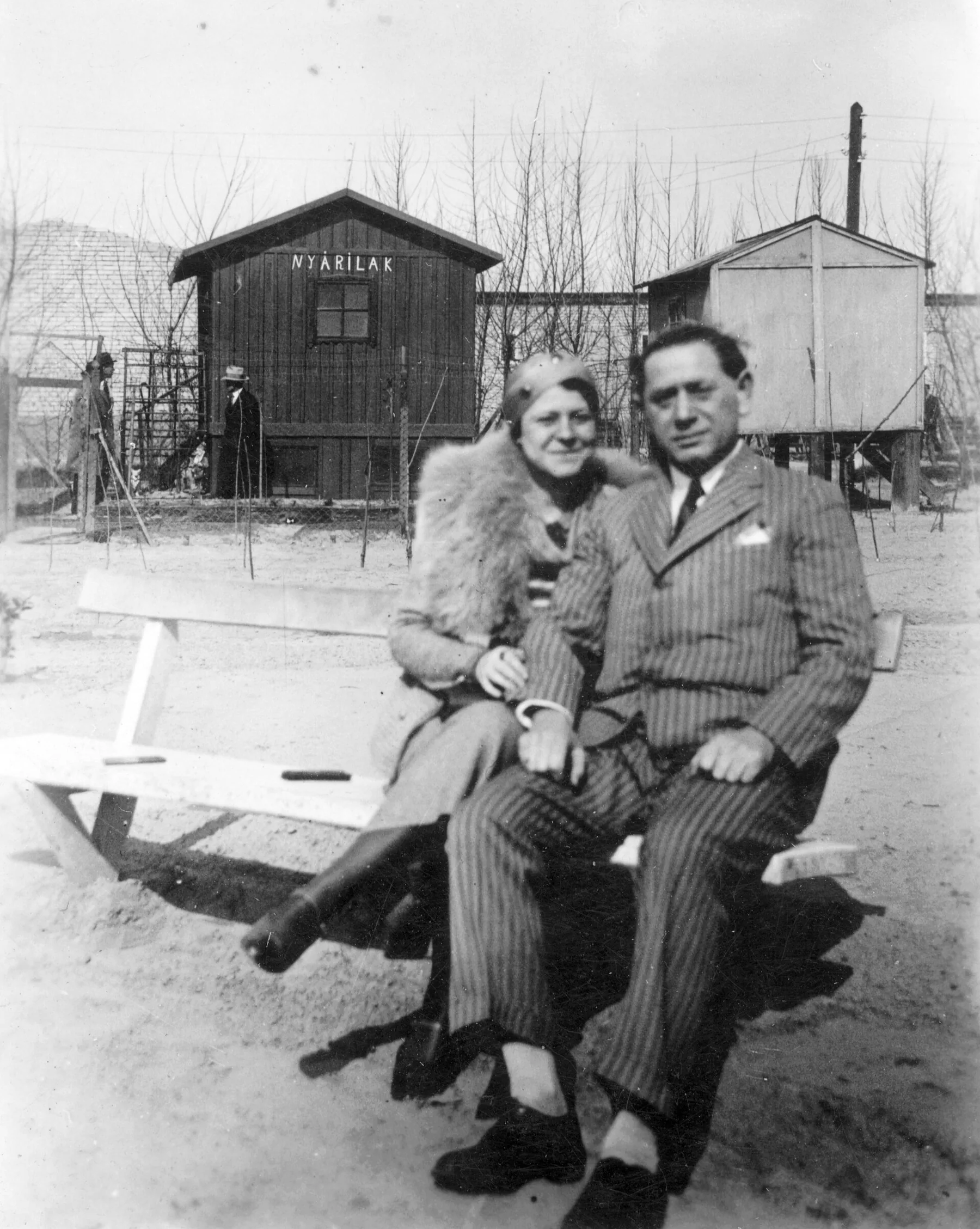
The 1960 wedding in Monaco established a date and place that became biographical reference points. The ceremony is often mentioned in summaries of the singer’s story and provides an easily cited point in time.
The Period: Fame, Media Exposure and “Private Life”
At the time, the press reported few intimate details. Photos are scarce, and accounts are often reconstructed after the fact.
The singer’s fame encourages hasty interpretations. Newspaper headlines favor a glamorous angle over analysis.
Why Monaco Keeps Appearing in Articles and Memories
Monaco stands out in search results because it evokes prestige and glamour. A headline mentioning Monaco attracts clicks and frames excerpts from films or articles.
- Monaco fixes the location in people’s minds and makes the story easy to share.
- Songs and cultural references, particularly to Joe Dassin, reinforce the association.
- The separation, years later, leaves unanswered questions and prompts fresh searches.
The Separation Seven Years Later: What We Know and What We Assume
The commonly reported timeline places the separation seven years after the 1960 marriage. A chronological reference point: marriage in 1960, separation about seven years later. Beyond those dates, the reasons are poorly documented.
The Gaps That Fuel Curiosity
The lack of reliable details makes room for theories. Psychological explanations, romanticized accounts and compressed biographies mix private life with speculation.
Rumors often follow the same pattern: a quotation repeated endlessly, a retelling without a primary source, then confusion between later recollections and facts established at the time.
- What we know: dates and places.
- What we assume: unconfirmed motives.
- How rumors spread: retellings and mixed versions.
These details need context: fame, tours and media pressure explain public interest, but they do not substantiate unsourced accounts.
A practical method: check dates, compare several reputable biographies and seek original sources, such as contemporary newspapers and official archives. This helps distinguish later recollections from established facts.
Later, searches about the separation became intertwined with the singer’s other relationships, creating clusters of content that sometimes obscure his family and public history.
Claude François, “Comme d’habitude” and Its Effect on Biographical Searches
A hit song can turn a search for music into an investigation of a life.
Comme d’habitude is a starting point: someone discovers the song, then looks into the singer’s life and relationships.
The Song as a Gateway to His Love Life
Many people discover the singer through a song and then search for the women connected to his career. The song thus prompts searches about his love life.
France Gall: A Romance from 1964 to 1967
The years 1964 to 1967 draw particular interest in France Gall. The breakup associated with Comme d’habitude still prompts searches about that period.
Isabelle Forêt: Daily Life and Parenthood
Isabelle Forêt is often searched for as the mother of two children born in 1968 and 1969. These dates help structure biographies and pages about the family.
Kathalyn Jones: His Last Partner and Accounts of His Final Hours
Kathalyn Jones is described as the partner who witnessed the singer’s final hours. Dramatic accounts of that time attract many readers.
Finally, the description “only wife” remains a distinct reference point alongside these more publicized relationships, up to the turning point of 1978 that shaped the whole story.
March 11, 1978: The Death of Claude François, a Story Repeated Again and Again
That day in March 1978 left a strong impression on the public. The most frequently cited fact is precise: he died on March 11, 1978, at 2:45 p.m. at his home at 46 Boulevard Exelmans in Paris.
The factual account: a domestic accident occurred in the bathroom. A poorly positioned wall light and partly exposed wires caused an electric shock while he was bathing. Emergency services responded quickly.
The time, 2:45 p.m., is repeated in many articles and documentaries. That detail lends the account the feel of eyewitness testimony and an almost documentary tone.
Chest compressions performed at the scene briefly restarted his heart, but the singer was pronounced dead at 39. Physical details, such as the wall light and wires, feature in infographics and online discussions because they make the accident tangible.
Why the Memory Persists
- Memorable details: the precise date, place and time help the story spread.
- His death at just 39 evokes strong emotions and repeated searches.
- Searches about his death often lead to his private life and family, bringing up accounts of his wife and children.
| Element | Detail | Effect on the story |
|---|---|---|
| Date | March 11, 1978 | A fixed point for commemorations |
| Time | 2:45 p.m. | Makes the account precise and credible |
| Place | 46 Boulevard Exelmans, Paris | A geographic reference point for the media |
| Cause | Accidental electrocution in the bathtub | Physical details repeated widely |
| Outcome | Death at 39 despite resuscitation efforts | A powerful emotional element |
For more on the context and accounts that followed the death of Claude François, read a detailed investigation that compares sources and testimony.
March 1978: Funeral, Record Releases and the Birth of a Legend
March 1978 was marked by a coincidence that still shapes public memory. The “Alexandrie, Alexandra” single reached record shops on March 15, 1978, the same day as the public funeral.
The overlap between the distribution of a song and a day of mourning is often described as an irony of fate. The account rests on specific reference points: March 15, 1978; the funeral at Notre-Dame d’Auteuil; and burial in the family vault at Dannemois.
Visual details heighten the story’s impact. His embalmed body, dressed in a midnight-blue velvet suit and a white shirt, makes for a striking image. These photos and descriptions recur in articles, documentaries and pages devoted to the film or biopic.
Places That Became Cultural Reference Points
Notre-Dame d’Auteuil and Dannemois became search terms in their own right. When a funeral coincides with musical success, the memory grows stronger and more content appears.
| Element | Date or place | Impact |
|---|---|---|
| Single release | March 15, 1978 | Spike in media attention |
| Funeral | Notre-Dame d’Auteuil | A public and ceremonial remembrance |
| Burial | Dannemois | A family and tourist landmark |
| Images | Blue suit, photos | Frequent republication and sharing |
Ultimately, the pairing of a song release with a day of mourning strengthened the legend of Claude François. These events still feed films, investigations and commemorations, and lead readers to his family and legacy.
Two Children, Two Sons: Why Family Features in Recent Coverage
An artistic legacy often depends on a family and its public decisions.
Claude François Jr and Marc: Essential Biographical Details
Claude François left two sons: Claude François Jr and Marc. Both have visible roles in managing his work and communicating with the public.
Claude François Jr runs Flèche Productions, while Marc helps manage the rights. Their involvement helps explain why the family regularly appears in search results.
Flèche Productions and the Legacy Years Later
Flèche Productions coordinates use of the repertoire. Years later, that work on the legacy generates new projects: reissues, tributes and licensing.
- Why it matters for SEO: searches about the sons, family ties and rights.
- Simple facts: two named sons with clearly defined public roles.
- Brand and company: when Flèche Productions launches a project, search engines surface related pages.
In short, the family is central to this coverage. The activities of the company managing the legacy keep the story current and lead back to the singer’s relationships and the people in his early life.
Celebrity Coverage: When People Close to the Singer Generate New Articles
A biopic project often draws media attention to the people close to its subject.
Marie-Josée “Josette” François, born on August 28, 1935, is one example: in 2012, she announced that she was withdrawing from the biopic Cloclo, citing a disagreement with Claude François Junior and a break with the family.
Marie-Josée “Josette” and Her 2012 Statement
Her withdrawal was reported as an event that could weaken the film’s promotion.
“I am withdrawing from the project”
Biopics, Archives and Renewed Media Coverage
Here is how the pattern works:
- Cast announcement and trailer → search spikes.
- Reruns and interviews → behind-the-scenes articles.
- Reuse of archives → renewed interest in biographical pages.
The word film accelerates searches: it attracts a broad audience and prompts simple queries that are easy to repeat and republish.
Whenever a biopic covers the singer’s relationships, the names of people close to him rise in search results. Promotion of a project connects the family, the company managing the repertoire and the archives, producing fresh waves of articles.
Practical advice: distinguish a film’s promotion from sourced biographical information. Check archives and original statements before accepting an account as fact.
| Trigger | Effect | Example |
|---|---|---|
| Film announcement | Traffic spike | Reuse of archival material |
| Statement by someone close to him | Behind-the-scenes articles | Withdrawals or tensions |
| Promotion | Renewed search visibility | Biographies and photos |
What “Janette Woollacott” Represents in the Public Story of Claude François
A name linked to a particular period can be enough to structure a biography.
The “only wife” is a powerful narrative label. It provides a fixed point in the singer’s love life and often serves as a hook in short profiles.
In summaries, this reference point helps date the start of his journey. It places an era before the rise of his music and the more publicized relationships that followed.
The contrast between this official marriage and the later, more discussed relationships is clear. It makes the mention hard to omit, though it cannot explain the singer’s entire artistic path.
Caution: this symbolic significance explains neither the singer’s creative choices nor the complexity of his life.
Short formats such as “in five dates” or “the women in his life” use this kind of reference point. To place these mentions in a sourced account, consult the profile of Claude François.
Why the Web Favors These Stories: Dates, Ages, Places, Photos and “Moments”
Search engines favor simple stories: dates, images and clear reference points attract attention.
The structure of content that draws readers relies on short formats such as profiles, timelines and “on this day” stories, which give readers an immediate starting point.
The Power of Short Formats
Dated lists and summaries built around a few key dates are quick to read and even quicker to share.
A headline mentioning a day and an age attracts more clicks than a long discussion.
Photos and Archives That Resurface Automatically
Photos catch the eye: Google Images and social media place them back in context, then direct readers to biographies.
An image revives a story, especially when it is linked to a specific month or day.
The Role of Emotionally Charged Keywords
Words such as death, family and children shape headlines and arouse curiosity. They create an emotional connection that encourages clicks.
- A surge of interest linked to an anniversary or rerun → algorithmic recommendation.
- Recommendation → new pages → repetition of the same story.
- Warning signs: identical wording and no primary sources.
Her name resurfaces because it fits a simple story that can be paired with a date, images and emotion. Understanding the pattern helps readers recognize recycled content and check sources.
The French Popular Music Context: How Other Artists Sustain This Ecosystem
The landscape of French popular song links artists and eras. When a reader views a biography, platforms suggest related profiles. This mechanism generates traffic between pages and automatic associations.
Joe Dassin and Gilbert Bécaud: Frequent Associations
The names Joe Dassin and Gilbert Bécaud often appear together in playlists, features about “great singers” and radio schedules. For example, the song “Il faut naître à Monaco” brings Joe Dassin into Monaco-themed selections.
Niagara, Taxi Girl and Lio: The Pop Culture Effect
Artists such as Niagara, Taxi Girl and Lio appear in recommendations because of their nostalgic appeal. Media coverage and documentary films create more connections between these artists and the classics.
As a result, peripheral details such as places, couples and archives travel from one piece of content to another. Understanding that movement helps distinguish an algorithmic association from a genuine historical connection.
For more on the current scene and its links to the past, see the page on contemporary music.
Between Fact and Rumor: Avoiding Confusion About Janette Woollacott
Vague references can quickly become claims repeated everywhere. When that happens, it is essential to distinguish information supported by solid sources from mere retellings.
Distinguishing Sourced Information from Inaccurate Retellings
Primary sources: contemporary newspapers, records and recorded interviews. They often make it possible to date an event precisely and identify witnesses.
Published biographies: these bring information together, but check their references and footnotes.
Republished articles: beware of copies that have not been checked. Years later, a vague sentence may become a “fact” cited everywhere.
Not Confusing Similar First Names and Namesakes
Spelling differences, such as Janet and Janette, and namesakes can lead to photos or details being attributed to the wrong person.
- Check the author and date.
- Compare at least two independent sources.
- Avoid spreading a rumor without evidence.
| Source type | Example | Reliability |
|---|---|---|
| Primary source | Contemporary newspaper article | High |
| Biography | Book with notes | Medium to high |
| Republished article | Webpage without references | Low |
Ethics: respect people’s privacy and limit speculation. Readers expect sourced accounts, not gossip.
The next section offers a practical method for researching the subject today: useful searches, archival collections and reliable reference points that help prevent errors from being repeated later.
How to Research Janette Woollacott Effectively Today
Use a simple method: focus on the date, place and relationship to avoid unsourced content. A structured approach produces more reliable results more quickly.
Useful Searches
Ready-to-use examples:
- “Monaco 1960” + “Claude François wife”
- “Janet Woollacott” OR “Janette Woollacott” to account for the spelling variation
- “Claude François wife” site:gallica.bnf.fr
- Add a specific year, such as 1960, to filter the results.
Finding Sources
Favor contemporary newspapers, digitized archives and biographies with notes. Pages about the film or celebrity features often repeat errors.
Check whether dates agree, compare several biographies and look for the earliest appearance of a claim.
| Action | Tool | Why |
|---|---|---|
| Build a precise search | Quotation marks, site:, date | Reduces irrelevant results and helps locate the source |
| Consult archives | Gallica, libraries, local archives | Primary sources and contemporary newspapers |
| Compare information | Biographies, catalogs | Confirms the timeline and avoids repeating errors |
Goal: understand why the name reappears without getting lost in click-driven content related to the film or unsourced pages. This method helps separate facts from rumors.
Conclusion
In summary, her name appears in search results because of its association with a specific period: the 1960 marriage in Monaco and the later timeline leading to the singer’s death on March 11, 1978, at 2:45 p.m.
Anniversary cycles, in February for his birthday and March for remembrance, along with photos, archives and short web formats such as articles, documentaries and biopics, repeatedly renew interest in her.
Understanding this pattern helps readers assess profiles, place the family and sons, Claude François Jr and Marc, in context, and avoid confusion caused by unsourced retellings.
A final guide: favor places, dates and primary sources. This keeps the public story of a star, his music, the significant moments in his life and his legacy clear and verifiable.