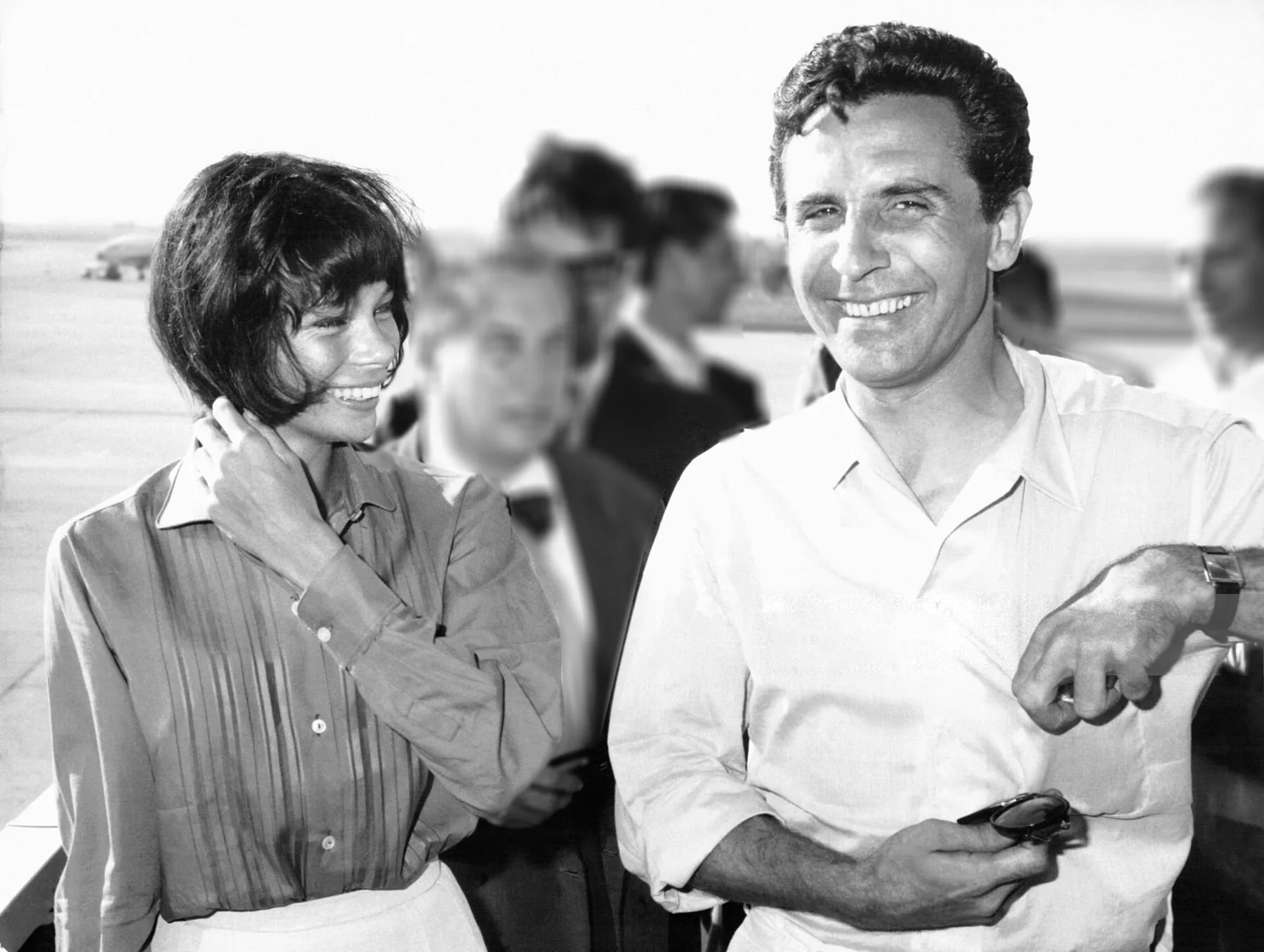

The central question: who was behind her departure in the 1960s, and what does the documentation say? We take a factual approach to distinguish what is documented from media speculation.
Brief background: the story involves three well-known people: Claude François, the dancer who became his partner, and the singer named in the archives, Gilbert Bécaud. The split, dated to around 1964 by France 3, fueled a long-running dispute between the performers.
Our approach draws on audiovisual sources (France 3 archives and W9 reports) and witness accounts. We note discrepancies in dates and accounts from the outset. The aim is clear: to answer without sensationalism and remain cautious about private motives.
For more background and details of the public rivalry, see an archival article about the relationship and its repercussions.
What the rumors say and what the archives confirm about Janet Woollacott and Claude François
New broadcasts and archival excerpts regularly revive interest in the story years later. A documentary shown on France 3 and rebroadcasts on other channels bring it back into the spotlight.
Why the story keeps resurfacing
Television broadcast cycles, a new documentary and online recirculation explain the renewed interest. The “secret archives” offer footage and testimony that stimulate debate in the media world.
Rumors and archives: what holds up
- Audiovisual archives: France 3 reports specific details (a birth in 1967, recognition of paternity and the rivalry).
- W9 offers another perspective: the marriage in 1960 and bouts of jealousy described by witnesses.
- Celebrity media amplify and blend the accounts, making it necessary to corroborate each claim.
Method and key dates
We date the events, group information by source type (France 3, W9 and witness accounts), and check each account for internal consistency. Several versions coexist: some sources mention 1965, while a documentary places the child’s birth in 1967.
Once we establish who is speaking (witnesses, relatives or children) and in what context, we can address the next question: for whom did the British dancer leave, and when, without giving in to media speculation?
Who Did Janet Woollacott Leave Claude François For? Investigating the Rumors
Witness accounts and footage from the period trace a sequence of dated, verifiable events. According to France 3, the dancer left Claude François in 1964 for Gilbert Bécaud. That is the central event reported in the archives.
The key facts and timeline
A brief timeline: marriage in 1960, separation in 1964, then a return to London before Jennifer Kay’s birth in 1967. These dates serve as reference points without imposing a definitive interpretation.
Suggested triggers and reasons
W9 mentions Claude François’s bouts of jealousy and a strained relationship. People close to the couple describe a mismatch between the demands of work and life together.
What Janet may have found in Bécaud
Witnesses describe a zest for life and cheerfulness in Gilbert Bécaud that contrasted with Claude François’s single-minded focus on his career.
The context of the “uncertainty”
France 3 describes a double life: a man had both a legal wife and a partner. This context sheds light on private decisions that would have public consequences.

Jennifer Kay, the daughter at the center of the controversy: recognition, the “François” name and revelations
A birth in London and subsequent administrative steps turned a private event into a public matter. The France 3 documentary dates the birth to June 3, 1967 and highlights the mother’s decision to return to the United Kingdom to give birth.
Birth and the decision to leave
The birth took place after a return to London. This detail explains the entry in a foreign birth register and the beginning of the “uncertainty” mentioned by several witnesses.
Why recognition took this form
“He took advantage of that uncertainty to recognize me before Dad did.”
Official recognition allowed the child to use the name Jennifer François for six years. A passport in that name confirms this concrete detail.
Later recognition by her biological father
According to France 3, her biological father recognized his daughter much later, when she was about 25. Discrepancies in dates remain in some retellings, which sometimes mention 1965. It is important to cross-check these points.
For more on the public and musical career, see this article offering historical background.
The rivalry between Claude François and Gilbert Bécaud: clashing egos, television and settling scores
A private departure became a public duel. The tension began in their personal lives and continued on television.
A rivalry rooted in their private lives
Jennifer Kay recounts a remark that became emblematic:
“You stole my wife. I don’t like you.”
This account sums up the bitterness involved and describes a “little contest between two roosters.” It is a family account, passed on by people close to them and sometimes repeated by the media.
The memorable 1974 appearance with the Carpentiers
During a 1974 program, their onstage sparring surprised viewers. A jab—“That’s playback”—and imitations of accents led to a musical clash.
- An accusation of lip-syncing.
- Imitations and knowing onstage gestures.
- Escalation and audience reactions.
The rivalry marked both artists’ public lives. Its repercussions reached their families and sons, who sometimes had to comment on these episodes. Today, the archives explain why the subject regularly returns in compilations and documentaries.

Conclusion
The archives consulted support a factual conclusion, despite conflicting interpretations.
According to the sources presented, the 1964 separation and departure for another singer are the central event. The timeline is straightforward: marriage, separation, return to London and Jennifer Kay’s birth on June 3, 1967.
Documents and television excerpts confirm that Claude François officially recognized the child before any later steps were taken. Her biological father recognized her much later, when Jennifer Kay was about 25.
This investigation separates dated, verifiable events from interpretation. Years later, the people involved remain famous, while television coverage and unresolved questions continue to attract media interest.
Conclusion: documentaries should be viewed critically, witness accounts cross-checked, and the affair placed in the history of French popular song.